A Lake Manyara safari cost is shaped by the vehicle you ride, the guide, where you sleep, how many days you stay, your group size, and the season, not by one fixed number. Travellers can steer the total by sharing a 4×4, picking a tier that fits, and timing the trip well. Lake Manyara National Park sits in northern Tanzania below the Rift Valley wall; fees vary by season, with the full breakdown below.
This guide walks through what actually shapes the bill, tier by tier, so you can judge quotes with a clear head. The hard figures, the day trip prices, the per person ranges, and the park charges, all sit in the questions and answers near the bottom. Read the body first to learn why the numbers land where they do, then check the tables of figures once you understand what you are paying for.
What Drives the Cost of a Lake Manyara Safari
Every Lake Manyara safari is built from the same building blocks, and the size of each block is what sets the final cost apart. The largest pieces are the park charges, the vehicle and the fuel it burns, the guide who drives and reads the bush for you, and the bed you return to each evening. Add the length of the trip and the number of people splitting the fixed costs, and you have the whole shape of the price. Layer on the season and a few optional activities, and you have accounted for almost every dollar.
The useful way to think about it is fixed cost versus shared cost. A guide and a 4×4 cost roughly the same whether one person or five sit inside, so the more travellers who split that expense, the cheaper each person’s share becomes. Park fees, meals, and beds, by contrast, are charged per person and do not shrink with company. Keeping that split in mind explains why a solo private trip feels expensive while a small group tour of the same park feels reasonable.
Park Fees and the Base Cost of Every Safari
Before any lodge or guide is paid, the park itself takes a cut. The park entrance fee is charged for each adult for each day inside the gate, with a lower rate for children and free entry for the very young. This is the one charge nobody escapes, and it is the same for a shoestring traveller and a honeymoon guest in a private suite. If you want the exact figures and how they split by age and season, the dedicated page on entrance fees lays them out in full.
There is a second charge that catches many first time visitors by surprise. If you sleep inside the park boundary rather than at a lodge just outside the gate, a nightly concession fee applies on top of the entrance fee. That is part of why staying inside the park, close to the action at dawn, costs more than basing yourself in a lodge on the escarpment above. Neither option is wrong, but the price tells you where you are sleeping. Government tax sits on many of these charges too, so the amount you actually pay is a little higher than the headline rate.
A simple rule keeps park costs from surprising you. Count your nights, count your travellers, and remember that a full 24 hours inside the gate can span two calendar days if your timing is right. Ask any operator to itemise park fees separately from their own charges so you can see exactly where your money goes.
The Safari Vehicle, Fuel, and Your Guide
The 4×4 safari vehicle is the workhorse of the whole trip, and it carries a real daily cost. A proper Land Cruiser with a pop up roof, high clearance, and a driver who knows the tracks is not cheap to run. Fuel alone is significant, since game drives cover ground slowly and the engine idles often while you watch animals. The vehicle rate usually rolls the fuel and the guide’s daily wage into one figure, and it holds fairly steady no matter how many seats are filled.
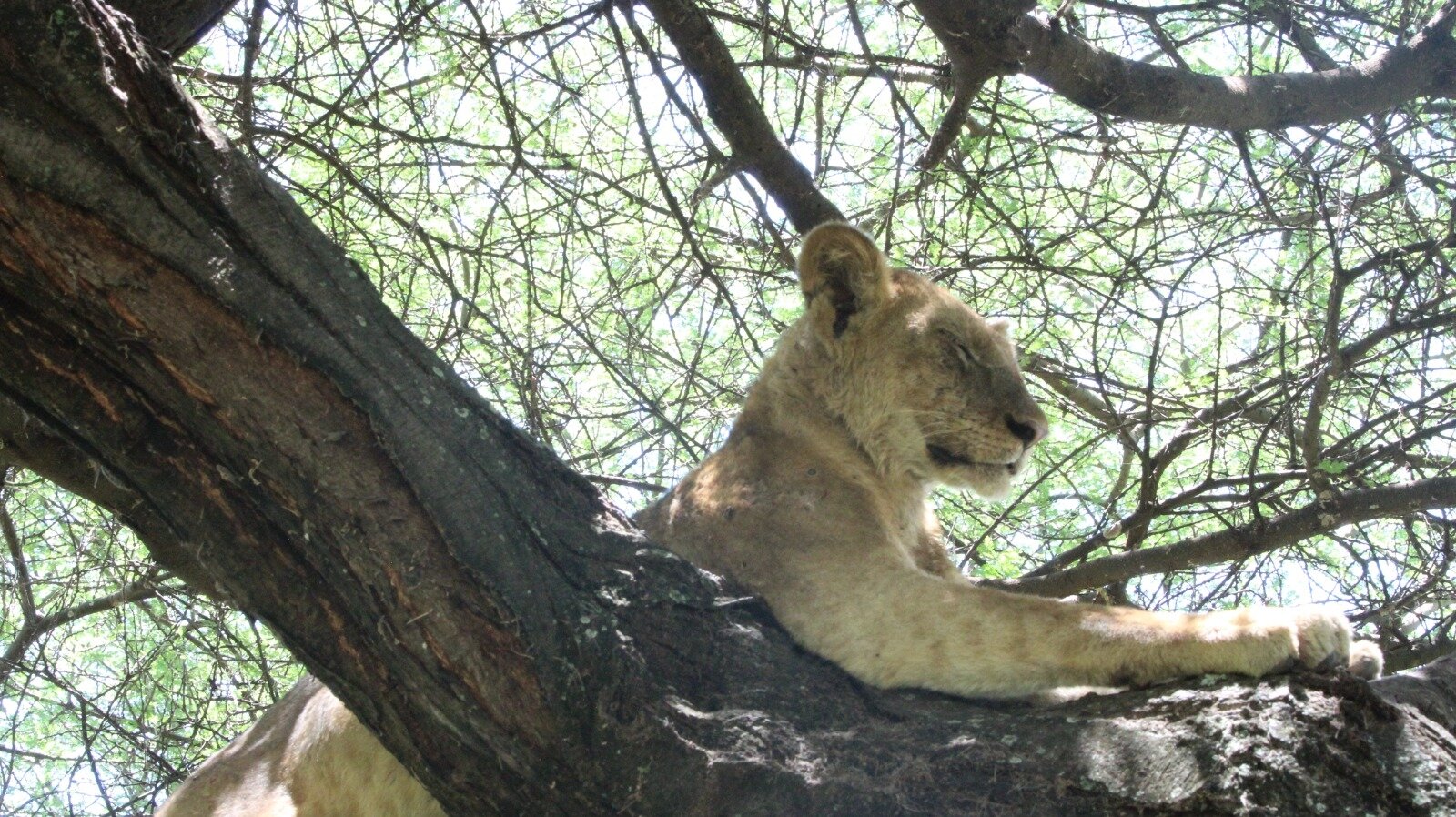
Your guide is where a lot of the quiet value of a safari lives. A skilled driver guide knows where the tree climbing lions rest through the heat of the day, reads bird calls, and positions the vehicle so the light falls right for your photos. That expertise is folded into the vehicle cost rather than billed on its own, but it is a genuine reason two tours at different prices can feel like completely different trips. A cheaper quote sometimes means a less experienced guide or an older vehicle, so it pays to ask what you are getting.
Whether you ride privately or share the 4×4 with strangers is one of the biggest levers on cost. A shared game drive splits the vehicle and guide across everyone aboard, which drops each person’s share sharply. A private vehicle gives you full control of the day, your own window seat, and the freedom to linger or move on as you wish, but you shoulder the whole vehicle cost yourself. If a short visit is all you want, the page on day trip cost compares shared and private single day options side by side.
Where You Sleep Shapes the Safari Cost
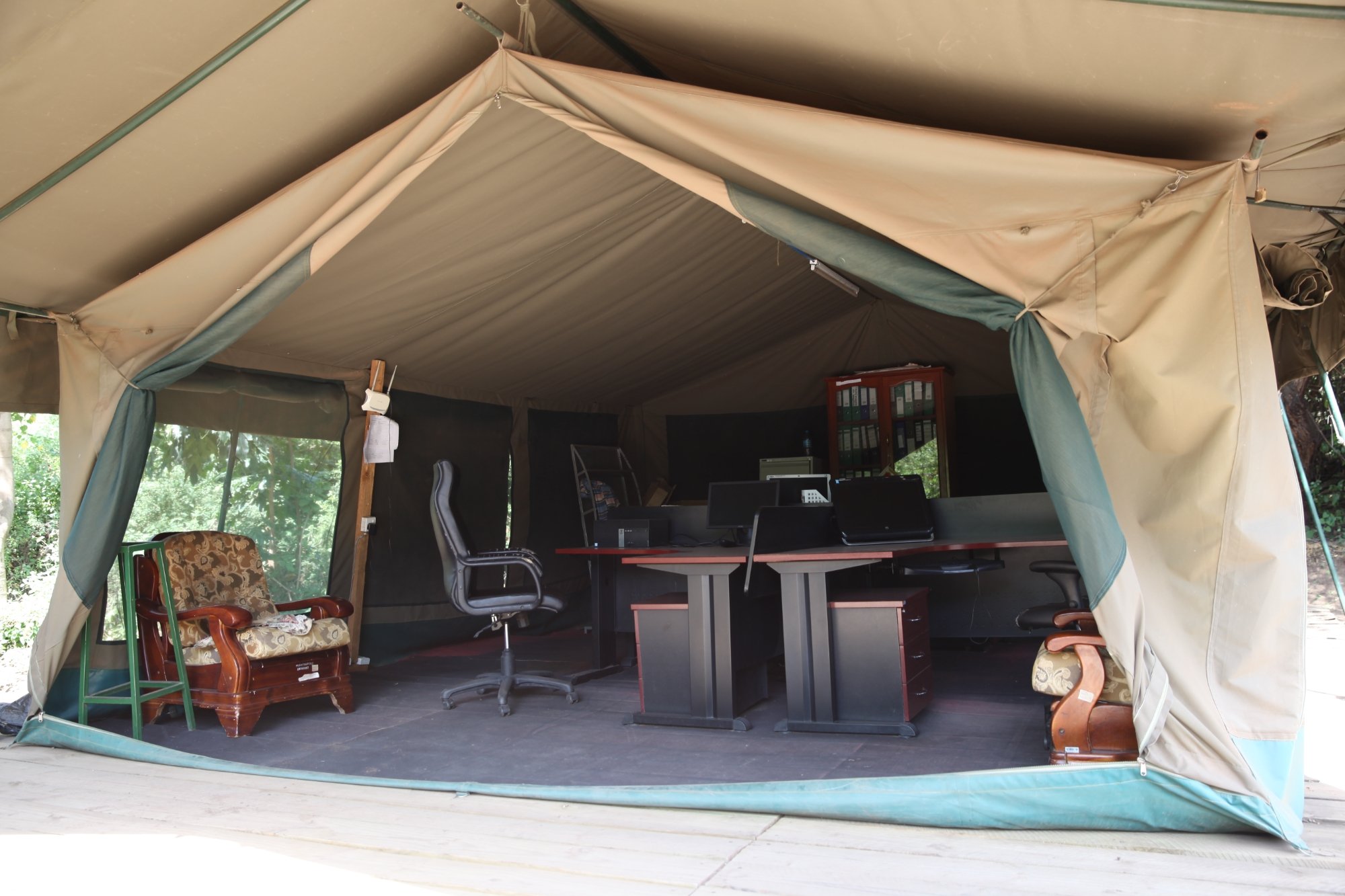
Accommodation is the single line item with the widest spread, and it is usually what separates a modest safari from an extravagant one. At the affordable end, budget camps and simple tented sites give you a clean bed, a hot bucket shower or a basic ensuite, and honest food. They put your money into the game drives rather than the pillow, and for many travellers that trade is exactly right.
Step up to a mid tier lodge and the comforts arrive. You get an ensuite bathroom, reliable hot water, a proper bed, a pool now and then, and cooked meals with some variety. These lodges sit in the sweet spot for travellers who want comfort without a soaring bill, and they make up the bulk of what most visitors book. The jump in price over budget camping buys ease and a softer landing after a long day in the vehicle.
At the top sit the luxury lodges and tented camps, often on private ground with sweeping views over the Rift Valley wall or the alkaline lake below. Here you pay for space, fine cooking, personal service, and a location that puts wildlife almost at your door. Peak season rates at the finest properties can rival a flight home. The wildlife you see from a luxury camp is the same as the wildlife from a budget site, so this tier is about how you experience the park, not what you find in it.
The animals do not know what your lodge costs. What you pay for at the top end is comfort, service, and setting, never a better sighting.
Budget, Mid Range, and Luxury Safari Tiers Explained
Operators tend to sort their trips into three broad bands, and knowing which one a quote belongs to tells you most of what you need. A budget safari leans on camping or simple lodges, shared vehicles where possible, and lean logistics. It is the honest, no frills way into the park, and it is a genuinely good experience, not a lesser one. If keeping the total low is your priority, the guide to a budget safari shows how to trim cost without gutting the trip.
A mid range safari is the middle path most travellers pick. It pairs comfortable lodges with a private or small shared vehicle, decent meals, and a steady rhythm to the days. You feel looked after without paying for indulgence you may not use. The value here is high because you are buying real comfort at a price that still makes sense for a once in a while trip.
A luxury safari spares nothing. Private vehicles, the finest camps, gourmet food, and often a personal guide who stays with you the whole way. Everything is arranged so you never think about logistics. The cost climbs steeply, but so does the ease and the sense of occasion. There is no single right tier, only the one that matches what you want from the days and what you are willing to spend to get it.
How Trip Length and Group Size Change the Safari Cost
The number of days you spend is a plain multiplier on almost everything. Each extra day adds another entrance fee, another night’s bed, more fuel, and another day of the guide’s time. A single day visit is the cheapest way to see the park, while a multi day safari that folds Lake Manyara into a wider circuit spreads the fixed costs of getting there across more game viewing. Neither is better value in the abstract; it depends on how much time you have and what else you want to see.
Group size works the other way, quietly lowering the per person figure as more people join. Because the vehicle, the fuel, and the guide cost the same regardless of headcount, splitting them among four or five travellers instead of one or two transforms the maths. A couple pays far more each than a family of four sharing the same 4×4. Somewhere around four to six people in one vehicle is the point where comfort and cost balance best, since everyone keeps a window seat while the shared costs fall to a sensible level.
Think of your safari cost as two stacked numbers. The per person costs, park fees, beds, and meals, hold firm no matter what. The shared costs, the vehicle, fuel, and guide, shrink for each traveller as your group grows. Lengthening the trip raises the first number; adding companions lowers the second.
Season and Its Effect on Safari Cost
Time of year moves the price in two ways at once. Park entrance fees often carry a higher rate in the busy dry months and a lower one in the quieter green season, so the gate itself charges you more when everyone wants to visit. Lodges follow the same pattern with far more force, lifting their rates through peak weeks and discounting sharply when the rains keep crowds away.
The green season trade is a real one worth weighing. Prices soften, the scenery turns fresh, and birdlife peaks, but some tracks grow muddy and a few camps close. The dry months bring easier game viewing and firmer roads at a premium price. If your budget is tight and you can travel in the shoulder or low weeks, the same safari can cost noticeably less for a very similar experience. To picture what the days themselves feel like across the seasons, the overview of what to expect sets the scene.
Extra Activities That Add to Your Safari Cost
Beyond the standard game drive, Lake Manyara offers a handful of paid extras that can lift the total in small, worthwhile steps. The canopy walk is the headline one, a treetop walkway strung high through the forest that carries its own permit fee for each visitor. It is a change of pace from the vehicle and a favourite with families, and the charge is modest against the whole trip.
6-Day Arusha, Manyara, Tarangire & Ngorongoro Safari
12-Day Kilimanjaro Climb & Serengeti Safari
5-Day Lake Manyara, Tarangire, Serengeti & Ngorongoro Safari
A night game drive is the other notable add on, available for an extra fee and offering a chance to spot creatures that stay hidden by day. Because the park’s regular hours end at dusk, a night drive is arranged specially and priced on its own. Other small costs can creep in too, tips for your guide, drinks not covered by your board, and any souvenirs, so it helps to keep a little room in the budget for the things that make the days richer without breaking the plan.
Lake Manyara Safari Cost Questions and Answers
The figures below cover the common questions on what a Lake Manyara safari costs. Treat them as working ranges to sanity check a quote rather than fixed prices, since rates shift with season, operator, and exactly what a package includes.
How much does a Lake Manyara day trip cost?
A single day visit is the cheapest way into the park. Shared group day trips from Arusha commonly run from about 150 to 275 US dollars per person, with the lower end reflecting larger groups splitting the vehicle. Private day trips typically fall between roughly 190 and 410 US dollars per person, where a solo traveller pays the most and a group of four or more pays far less each. Most day trip prices include the park entrance fee, a 4×4 with a pop up roof, a driver guide, a packed lunch, and drinking water.
What is the entrance fee for Lake Manyara National Park?
Adult foreign visitors pay about 59 US dollars per person per day in the busy dry season and around 53 US dollars in the quieter low season. Children between 5 and 15 pay a reduced rate of roughly 17 to 18 US dollars, and children under 5 enter free. Fees are valid for 24 hours if you are staying inside the park. East African residents pay a much lower rate quoted in local shillings.
How much does a Lake Manyara safari cost per day by tier?
As a working guide, budget safaris run roughly 200 to 400 US dollars per person per day covering camping or simple lodges, shared logistics, meals, vehicle, guide, and park fees. Mid range safaris land around 400 to 700 US dollars per person per day for comfortable lodges and a private or small shared vehicle. Luxury safaris start near 800 US dollars and climb past 1,500 US dollars per person per day, with the very finest private trips exceeding 2,000 dollars daily. These are all inclusive daily rates rather than the price of any single item.
Why is a private safari more expensive than a shared one?
On a private safari you cover the full cost of the vehicle, the fuel, and the guide yourself, since nobody else is aboard to split it. On a shared safari that same cost is divided among everyone in the 4×4, which is why a seat on a group tour can cost less than half of a private one. Group size is the single biggest reason two people can pay very different amounts to see the same park.
How much are the canopy walk and night game drive?
The treetop canopy walk carries a permit fee of about 24 US dollars per adult and 12 US dollars per child, charged on top of your park entry. A night game drive costs roughly 50 US dollars extra and must be arranged in advance, since it runs outside the park’s normal daytime hours. Both are optional add ons rather than part of a standard game drive.
Is there an extra charge for sleeping inside the park?
Yes. If you stay at a camp or lodge inside the park boundary, a concession fee of around 47 to 48 US dollars per adult per night applies in addition to the entrance fee, with a reduced rate for children. Basing yourself at a lodge just outside the gate avoids this nightly charge, which is one reason lodges on the escarpment above the park can work out cheaper than camps inside it.
How does group size change the total cost?
Because the vehicle, fuel, and guide cost the same whether one person or six ride along, adding travellers lowers each person’s share of those fixed costs. A solo traveller shoulders the whole vehicle alone, a couple splits it two ways, and a group of four or five brings the per person figure down sharply. Four to six people in one 4×4 usually gives the best balance of comfort and cost, since everyone keeps a window seat while the shared costs fall.
Does the season change how much I pay?
It does, in two ways. Park entrance fees are a few dollars higher in the peak dry season than in the low green season. Lodge rates swing much harder, rising through busy weeks and dropping in the rains. Travelling in the shoulder or low season can trim a meaningful slice off the total for a very similar experience, though a few tracks turn muddy and some camps close during the heaviest rains.
What is usually included in a Lake Manyara safari price?
A typical package folds in park entrance fees, the 4×4 vehicle with a pop up roof, fuel, a professional driver guide, drinking water, and meals as stated by the tier of accommodation. Extras that usually sit outside the base price include the canopy walk permit, night game drives, tips for your guide, drinks beyond what your board covers, and any items of a personal nature. Always ask an operator to list inclusions and exclusions in writing so two quotes can be compared fairly.