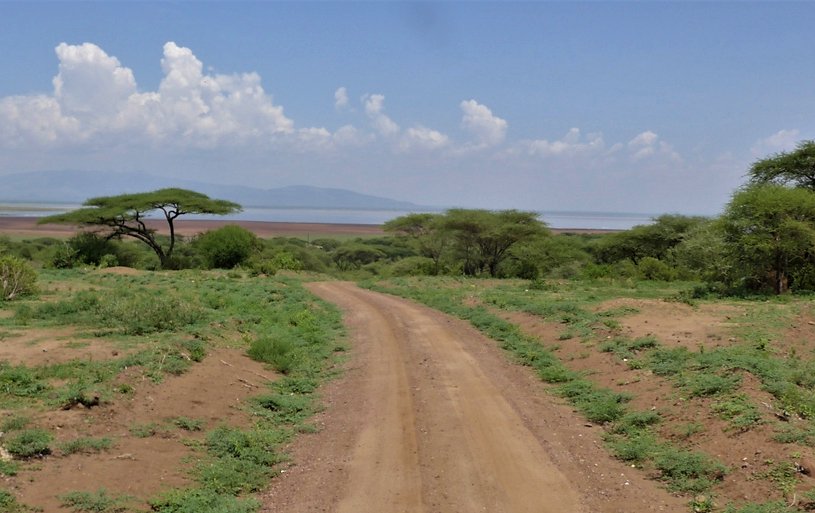
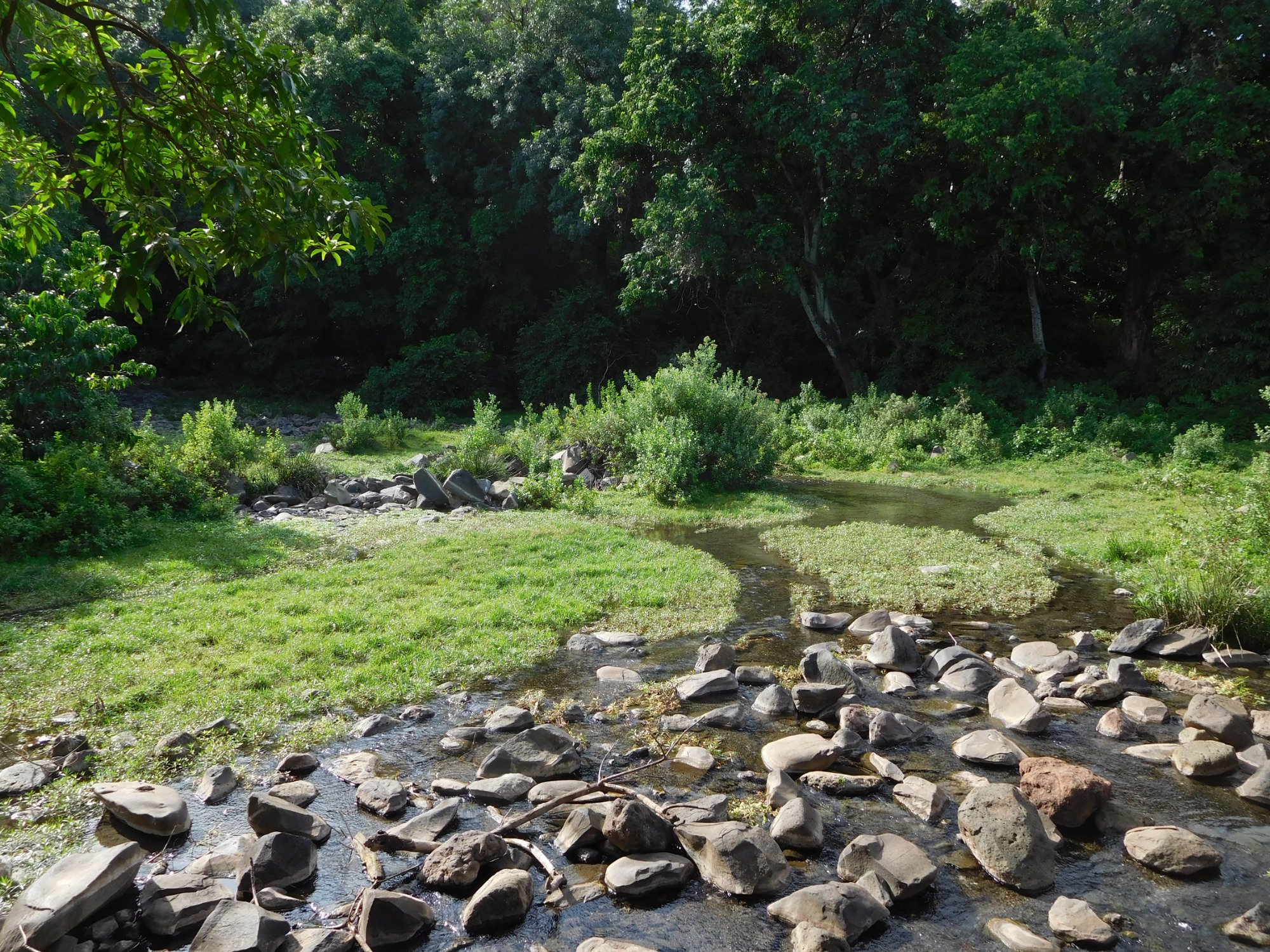
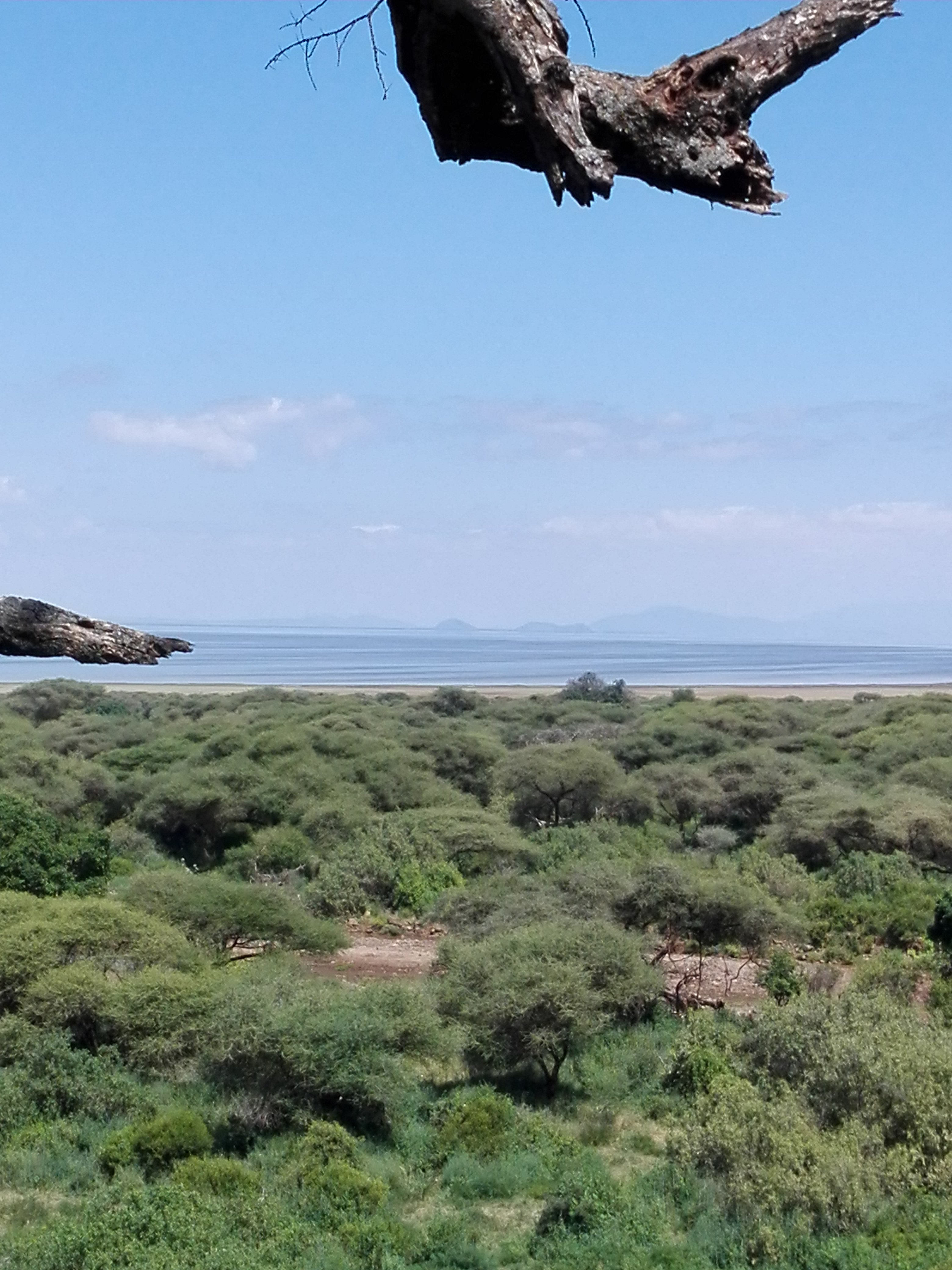
Lake Manyara is one of the best places in northern Tanzania to watch elephants at close range, with resident family herds moving between shaded groundwater forest and open acacia woodland. Visitors often find them near the tracks or drinking at the Silale Swamp in the south. The park sits in a narrow strip below the Rift Valley wall, and its elephants shaped much of the early science on elephant social behaviour.
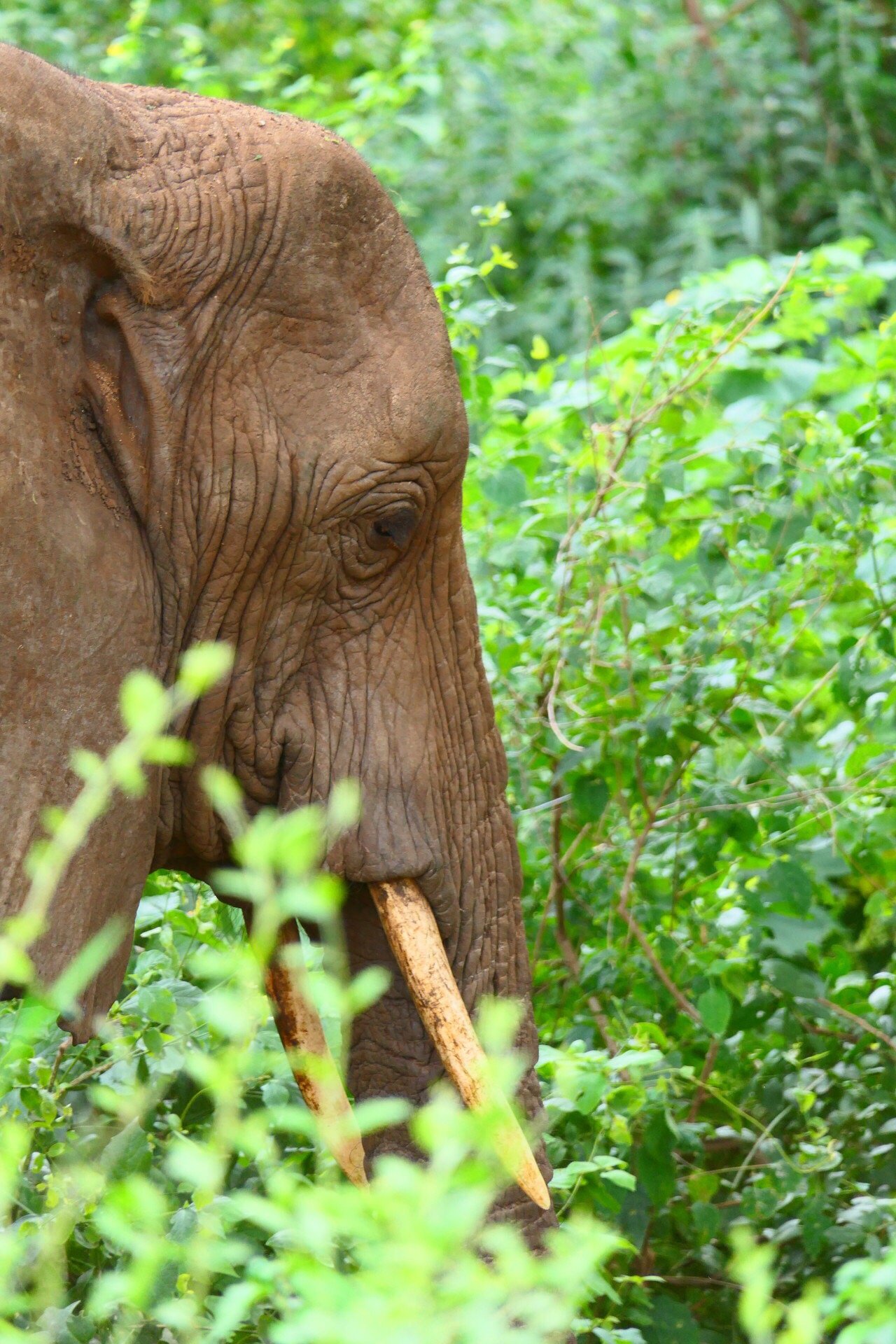
What follows is a plain look at where the elephants gather, why this place mattered so much to the science of elephant behaviour, and how to give yourself the best odds of seeing them. If you want the wider picture of what else shares this ground, the animals in Lake Manyara range from hippo pods to the park’s famous lions, but the elephants remain the reason many people first came here.
Why the Park Protects Its Elephant Herds
Lake Manyara National Park is narrow, hemmed against the western Rift escarpment, and only a fraction of the size of the big Tanzanian reserves. That small footprint concentrates wildlife. Early travellers and hunters in the late nineteenth and early twentieth centuries already noted heavy concentrations of elephant, buffalo and antelope drawn to the lake shore and the spring-fed forest. When the park was gazetted, protecting that elephant density was part of the point.
The elephants benefit from a rare piece of geography. Fresh water rises through the ground at the base of the escarpment, feeding a forest of tall mahogany and fig even in the driest months. That reliable water, plus the salty margins of the lake where animals take minerals, keeps a resident herd in a place where the surrounding country can be harsh. The park is also small enough to patrol properly, which has mattered a great deal to how these elephants fared through the worst of the poaching years.
Good to know: Lake Manyara sits at the start of the northern safari route, an easy drive from Arusha, and is often the first stop before Ngorongoro and the Serengeti. Many visitors give it half a day, which is enough for a productive game drive but tight if you want to linger with a herd.
Where the Elephants Gather in Lake Manyara
The elephants split their time between two very different habitats, and knowing which is which helps you read the park. The northern entrance opens straight into the groundwater forest habitats, a cool green tangle of mahogany, fig and wild date palm fed by springs from the Rift wall. Elephants browse here in the shade, often close to the track, stripping leaves and bark and moving quietly through the undergrowth. Because the forest is dense, you sometimes hear a family before you see it, a low rumble or the crack of a branch.
Beyond the forest the land opens into acacia woodland, grassy floodplain and the shore of the lake itself. This is where you find elephants out in the open, walking the flats, digging for water in dry riverbeds, or standing at the treeline in the afternoon. The Silale Swamp in the south is a reliable draw, a permanent wetland where elephants come to drink and mud bathe, and where you can often watch a family for a long stretch without them moving off.
Which habitat holds the elephants on any given day depends on season, heat and where the herds happen to be feeding. That variability is worth accepting up front. A morning game drive might turn up a dozen elephants in the first patch of forest, or it might take you all the way to the swamp before you find your first ears flapping in the heat.
Douglas-Hamilton and the Famous Elephant Research
The elephants of Lake Manyara are famous partly because of one young scientist. In 1966 Iain Douglas-Hamilton arrived here, aged twenty three, and began what became the first serious long-term study of African elephant social behaviour. He worked at Manyara through to about 1972, and in that time he did something that had not really been done before with wild elephants. He learned to tell them apart.
Douglas-Hamilton photographed and catalogued individuals by their ears, tusks and scars, building records of more than five hundred animals. He started by giving them numbers, then switched to names once it was clear each elephant had its own temperament. The most famous was Boadicea, a formidable matriarch with long tusks that curved almost to a meeting point, who charged him again and again, though he learned her charges were often bluff that could be faced down by holding still. There was also Virgo, a curious young single-tusked female who grew tame enough that he introduced her to his infant daughter.
He gave every elephant a number, then changed to names when he realised each animal had a distinct personality.
His work at Manyara went further than identification. He used radio telemetry, then a novel tool, to track how families used space, and he mapped the tight bonds that hold an elephant family together around its matriarch. The findings from this small park shaped much of what is now taken as basic knowledge about elephant society. Douglas-Hamilton and his wife Oria later told the story in the book Among the Elephants. He went on to found Save the Elephants and, in the 1970s, was among the first to raise the alarm about the continent-wide ivory slaughter that was coming.
Elephant Herd Behaviour on a Game Drive
Understanding elephant families makes a Lake Manyara game drive far more interesting. A herd here is almost always a family group led by the oldest female, the matriarch, whose memory of water sources and safe routes guides the others. Around her move her daughters, sisters and their calves, a set of close relatives that stay together for life. What looks from the road like a loose crowd is usually a structured family with a clear order to it.
Watch for a few things. Calves stay close to their mothers and are shielded in the middle of a moving group. Older females may turn to face a vehicle, ears spread, while the family keeps feeding behind them, a warning display rather than a true charge. When a family drinks or bathes at Silale Swamp, you often see the whole social fabric at once, youngsters splashing, adults dusting themselves, a matriarch keeping watch. Give them room, keep the engine calm, and much of this plays out without the elephants paying you any mind.
Big Bulls and the Life of Male Elephants
Male elephants live differently from the families. Young bulls leave their birth family as they mature and take up a looser life, either alone or in bachelor company. The big old bulls, the ones with the heaviest tusks and the slow confident walk, are often found on their own, browsing the woodland edge or standing in the shade through the middle of the day.
At Lake Manyara you can sometimes get a good look at a large bull near the forest or out on the floodplain. In musth, a periodic state of heightened hormones, bulls become far more assertive and are best given a wide berth. Most of the time, though, a Manyara bull is a calm sight, a reminder of how large these animals grow when they are allowed to live out a long life. The park’s history of decent protection means at least some old males have had the chance to do exactly that.
Poaching History and the Manyara Recovery
The elephants here did not escape the wider Tanzanian tragedy untouched, but their story is unusual. Across the country the 1980s were catastrophic. Tanzania lost the great majority of its elephants to ivory poaching in that decade, with some ecosystems collapsing from over a hundred thousand animals to a small remnant. Manyara sat inside that storm.
Yet the Manyara population did not follow the national curve neatly. The herds had grown in the 1950s through animals moving in, and again in the late 1960s through breeding. Because the park is small and could be patrolled reasonably well, poaching pressure was more contained than in the vast, remote reserves. After the international ivory trade ban of 1989, poaching in the park effectively stopped. Studies describe the Manyara elephants as having stayed relatively stable over the long run, their numbers checked more by disease and the limits of a small habitat than by the ivory trade.
The honest present-day picture is a modest one. The Lake Manyara population is now largely isolated, cut off from easy movement to neighbouring wild land, and numbers only around a hundred or so animals. That isolation carries real conservation concern for the future. It also means the elephants you see are, in a sense, the direct descendants of the very herds Douglas-Hamilton named and followed sixty years ago.
Reading the Elephant Habitats at a Glance
The groundwater forest gives you close, shaded sightings of browsing families and the occasional bull, often within the first stretch past the northern gate. The acacia woodland and floodplain give you open views of elephants walking, digging for water and moving between feeding grounds. Silale Swamp in the south is the most dependable single spot for a long, unhurried watch, especially as the dry season tightens water elsewhere. Planning a route that touches all three raises your odds on any given day.
Where and When to See Elephants on a Game Drive
The dry season, roughly June to October, is the stronger bet for elephants. As seasonal water dries up, animals concentrate around the reliable sources, the thinning vegetation opens up sightlines, and herds are drawn to the swamp and the lake margin. Large groups digging for water in dry channels are a classic Manyara dry-season sight. By September, with fresh water scarce, wildlife across the park is easier to find.
The green months after the rains, from about November into May, are lovely to look at but harder for spotting elephants. The forest and woodland thicken, the animals spread out because water is everywhere, and a family can be twenty metres off the track and screened by leaves. You may still have wonderful sightings, they are simply less predictable.
Time of day matters too. Early morning and late afternoon are cooler, and elephants are more active and more likely to be moving in the open then, whereas the middle of the day often sees them standing quietly in shade. For a fuller sense of how the seasons and locations line up across the park, it helps to read about the best wildlife spots before you plan your drive. Whatever the season, treat every elephant sighting as a gift rather than a certainty. Manyara is small and generous, but it is still wild country, and the herds keep their own schedule.
Watching Elephants Responsibly
A few habits keep both you and the elephants comfortable. Keep your vehicle at a respectful distance and never position it between a matriarch and her calves. Switch off loud conversation and let the family settle rather than crowding for a photograph. If elephants show tension, spread ears, raised head, a mock advance, back off slowly and give them space to pass. Stay inside the vehicle and follow your guide’s read of the animals’ mood, since a good guide will know the difference between a warning display and real agitation. Elephants that feel unpressured behave naturally, which is exactly what makes them worth watching in the first place.
Frequently Asked Questions
Are elephants guaranteed on a Lake Manyara game drive?
No. Manyara has a resident population and the small park size improves your chances compared with larger reserves, but elephants are wild and move with the seasons. Dry-season drives that cover the forest, the woodland and Silale Swamp give you strong odds, though never a certainty.
How many elephants live in Lake Manyara now?
The resident population is small and fairly isolated, estimated at around a hundred animals. This is a modest figure that reflects both the park’s limited size and its separation from neighbouring wild land, which is a genuine conservation concern.
What was Iain Douglas-Hamilton’s research about?
Starting in 1966, he ran the first long-term study of African elephant social behaviour at Manyara, identifying individuals by their ears and tusks, naming them, and using radio tracking to map how families used space. His work laid much of the groundwork for modern understanding of elephant society and conservation.
When is the best time to see the elephant herds?
The dry season, roughly June to October, is best. Water concentrates the animals, vegetation thins for clearer views, and herds gather around the swamp and lake margin. Early morning and late afternoon are the most active times of day.
Where in the park are elephants most reliable?
The groundwater forest near the northern gate offers close, shaded sightings, while Silale Swamp in the south is the most dependable spot for a long watch, particularly late in the dry season when other water has dried up.
How much does it cost to visit Lake Manyara?
Park entry for international visitors runs to roughly forty five to sixty US dollars per adult per day, with lower rates for East African residents and children, plus fees for the vehicle. Most people visit as part of a guided safari, so entry sits inside a wider package covering transport, a driver-guide and often accommodation.