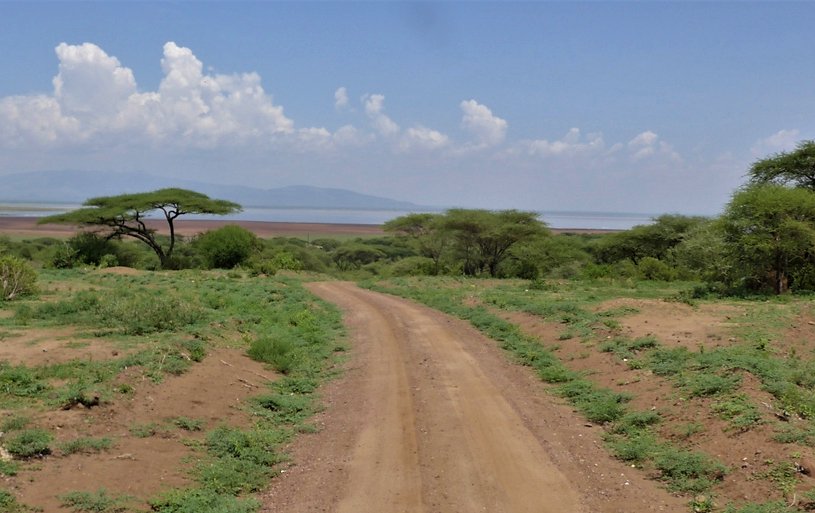
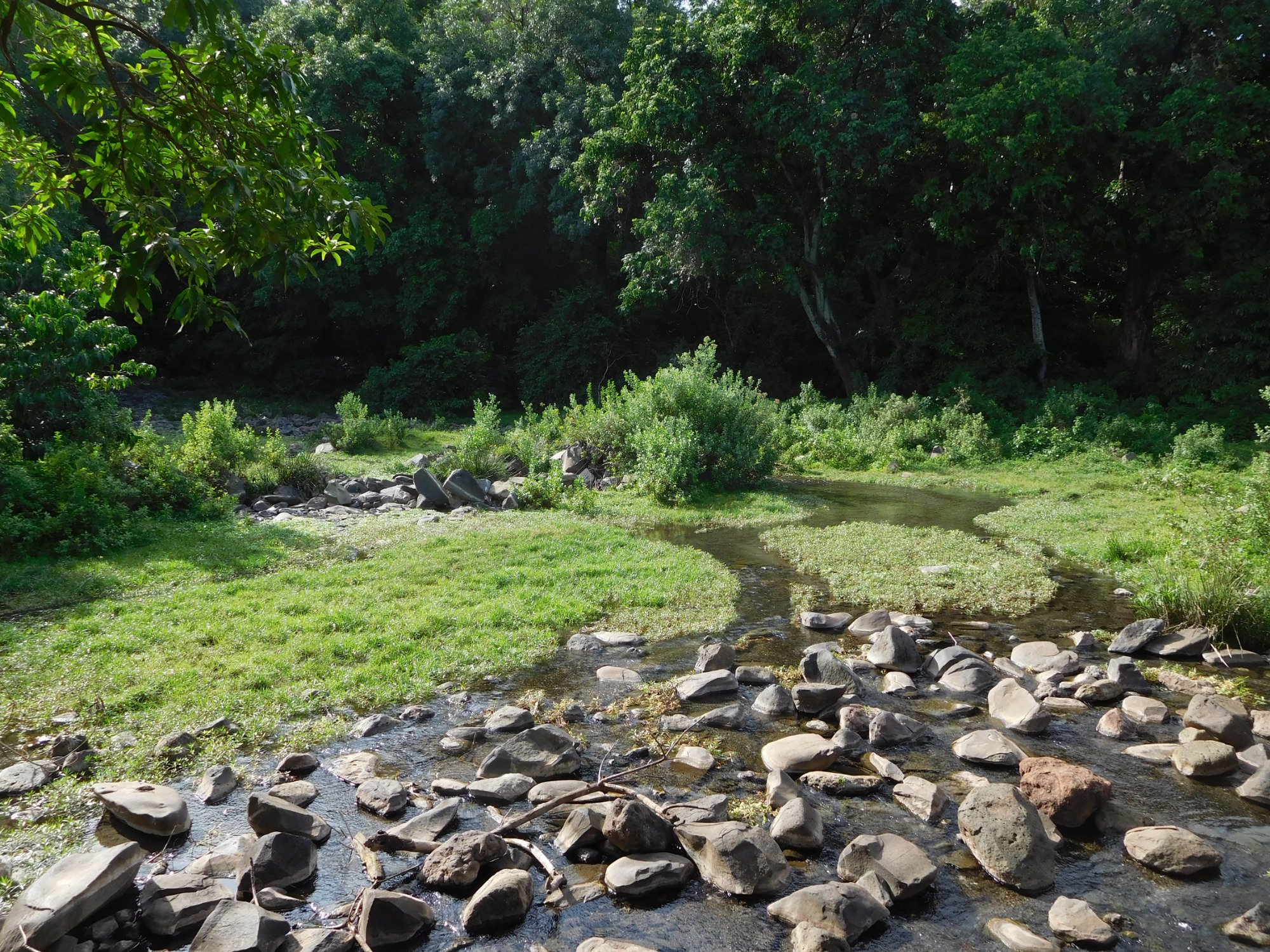
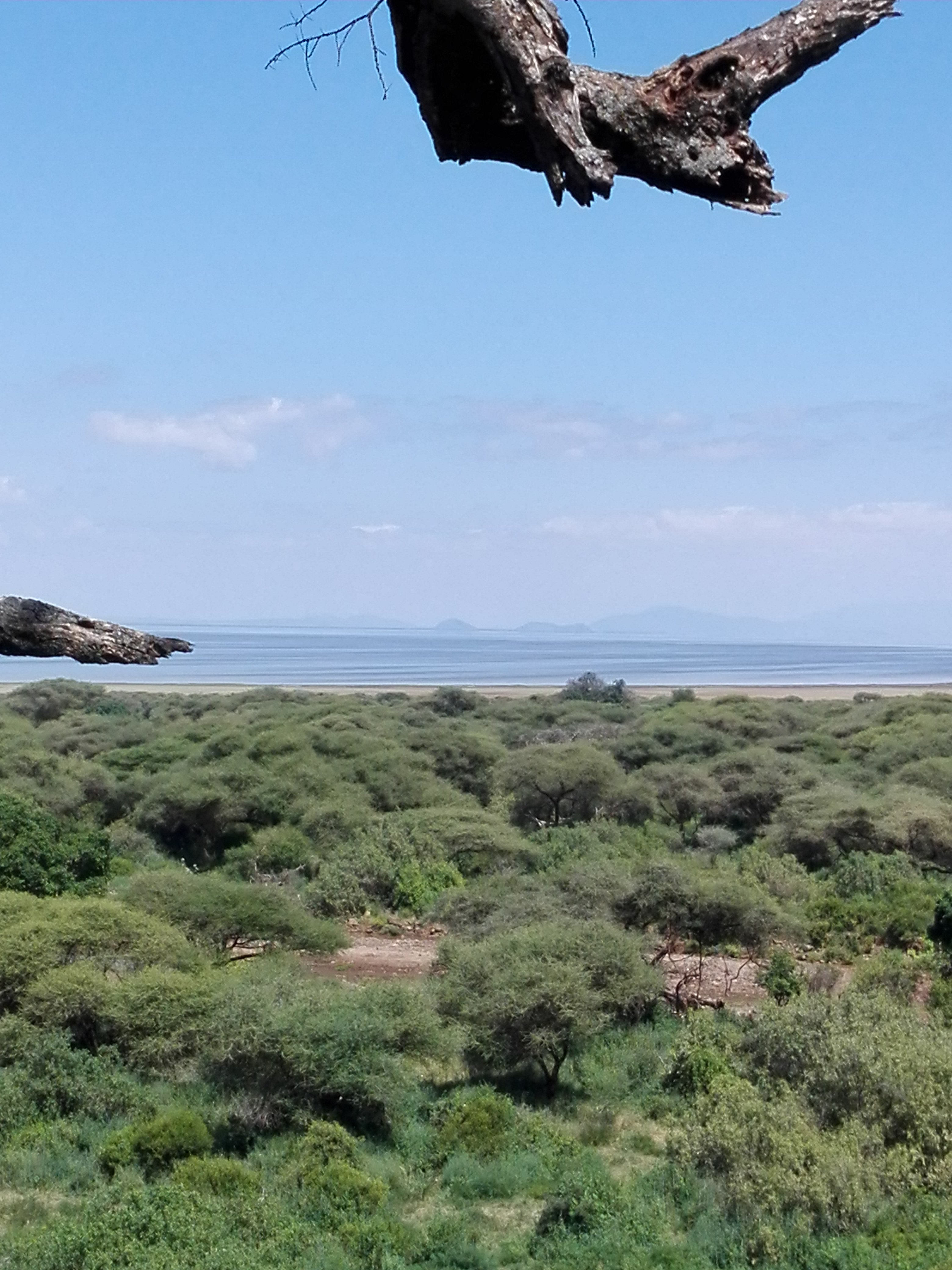
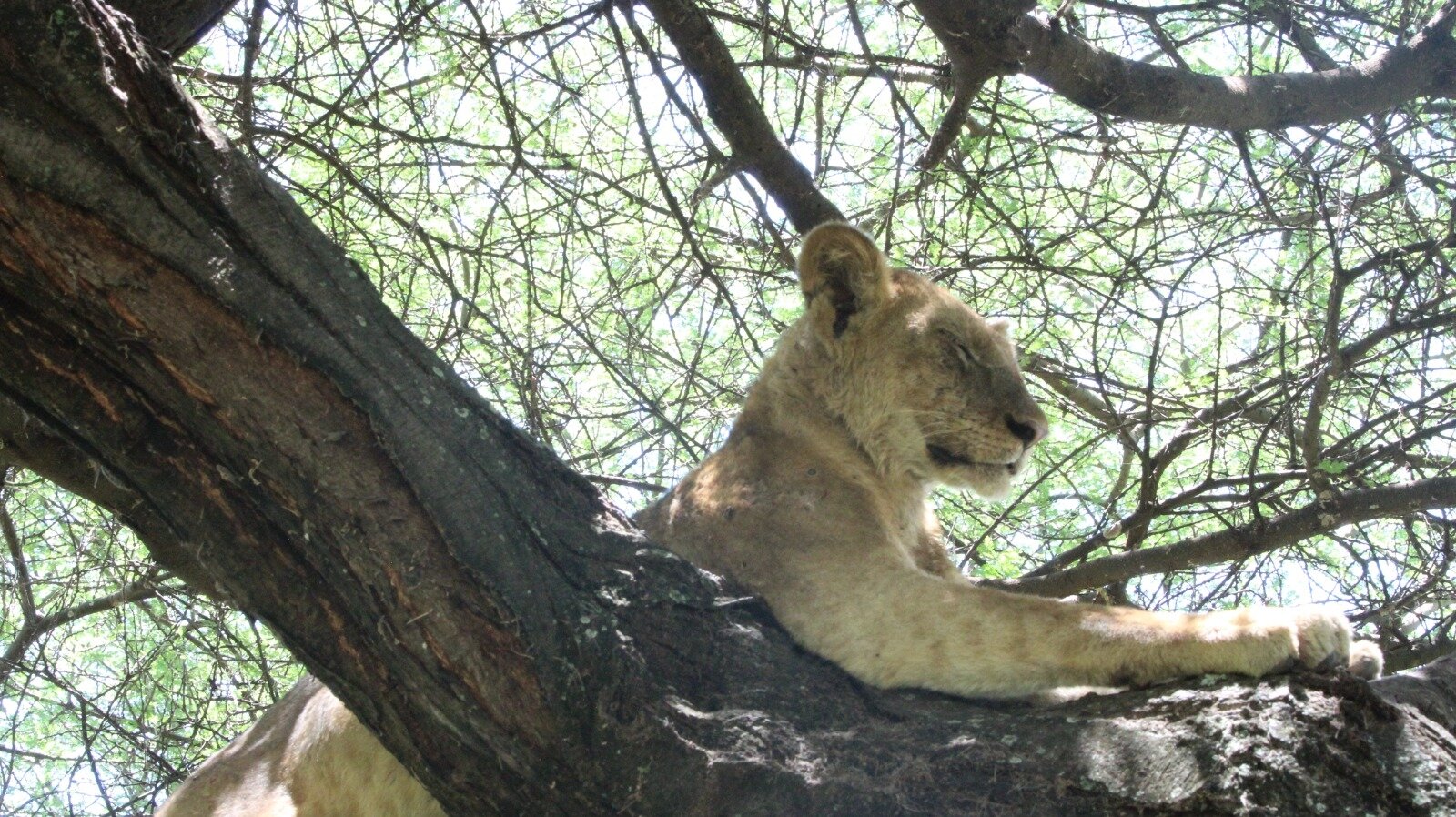
Lake Manyara hides a list of rare, secretive and mostly nocturnal animals beyond its famous elephants, flamingos and tree-climbing lions. Seeing them takes luck as much as effort, since most keep to thick cover across the park’s mixed habitats. For the better known residents first, the wider guide to animals in Lake Manyara covers the elephants, buffalo, giraffe and hippo you will almost certainly find.
The park is compact, roughly a thin strip of ground wedged between the Rift Valley wall and the lake itself. That squeeze packs several habitats close together: groundwater forest, open woodland, grassy floodplain, and the alkaline shallows. More habitats mean more species, and it also means small predators and antelope have plenty of cover. Cover is exactly why these animals stay hidden.
Why These Wildlife Sightings Are So Rare
Three things work against you. The first is timing. Many of the animals below are active at night and sleep through the daylight hours when the standard game drive runs. By the time your vehicle rolls out after breakfast, a serval or a genet has already curled up under a bush. The second is density. Small predators live at low numbers spread over wide ground, so even in good habitat there simply are not many of them per square kilometre. The third is behaviour. These are shy, solitary hunters that have survived precisely by not being seen. They freeze, they slip into long grass, they read the sound of an engine long before you read them.
So set your expectations honestly. On a normal two day visit you might see none of the animals on this page. That is not a failure of the park or your guide. It is the nature of the creatures. When one does step into the open, it is a genuine piece of fortune, and experienced guides treat these moments as the highlight of a whole season rather than a routine tick.
Set your odds early. Tell your guide on day one that you care about the small and shy species, not just the big ones. A guide who knows you will happily stop for a dik dik or scan a rocky slope for klipspringer will shape the drive very differently from one who assumes you only want elephants and lions.
Leopards and the Secretive Cats of Lake Manyara
The escarpment forest that backs the park is good leopard country, and Manyara is thought to hold a healthy population. That does not make them easy. Leopards are masters of stillness and shade, and they spend the bright hours flat along a branch or tucked into a thicket where a spotted coat vanishes into dappled light. Many visitors drive right past one without ever knowing. Early morning and the last hour before dusk give you the best window, when the cats shift position or come down to hunt. If big cats are your main interest, the dedicated page on leopards goes deeper into where and when to look.
Beyond the leopard sit the smaller cats, and this is where sightings turn truly scarce. The serval is a tall, slender cat with long legs and enormous ears, built for hunting rodents in tall grass. It leaps high to pin prey with its front paws, and its favoured wetland edges and grassy margins exist in Manyara. Servals hunt at dawn, dusk, and through the night, so a daytime look is rare and a real prize.
Rarer still is the caracal, a muscular tawny cat with dramatic black ear tufts. Caracals are strongly nocturnal, keep to thicker cover, and are so secretive that even guides who work the park for years log only a handful of daylight sightings. The African wildcat rounds out the trio. It looks deceptively like a slightly leggy domestic tabby, which is fitting since it is the wild ancestor of the house cat, and it too moves mostly after dark. Any of these three in the open is a story you will retell for years.
The Nocturnal Specialists You Rarely See on Safari
Some of Manyara’s most interesting animals are almost never awake when you are. The pangolin sits at the top of this list. Covered in overlapping keratin scales, it walks slowly at night hunting ants and termites, rolling into a tight armoured ball when threatened. Pangolins are shy, thinly spread, and heavily pressured across Africa, and many guides count a single sighting as the achievement of a whole career. Treat any mention of them as a lottery ticket rather than a plan.
The aardvark is nearly as elusive. This odd, pig snouted digger spends its nights tearing open termite mounds with powerful claws and its days underground in a burrow. You are far more likely to see the fresh holes it leaves than the animal itself. The honey badger is the tough exception to the darkness rule. Famous for its fearless temper and thick loose skin, it will forage by day in quieter areas but often shifts to night near people. It ranges widely and lives at low density, so meetings stay unpredictable.
The bat eared fox is smaller and gentler, a silver grey fox with huge radar like ears it uses to listen for insects underground. It favours open ground and is sometimes active in the cooler light of early morning and late afternoon, which gives you a slightly better chance than the pangolin or aardvark, though it is still far from a sure thing. These are the true creatures of the night shift, and honesty matters here more than anywhere on this page: most visitors will never see them without a night drive, and many will not see them even with one.
A pangolin or an aardvark is not a sighting you earn. It is one you happen to be standing near when luck decides to show up.
Small Antelope and the Rocky Slope Specialists
Not every hard to spot animal is a predator. The dik dik is a tiny antelope, barely knee high, that lives in monogamous pairs in dense scrub. It is easy to miss because it is small, quiet, and quick to freeze in shadow, then bolt with a sharp whistling alarm that gives it its name. Once you learn to scan the low thickets rather than the open ground, you start noticing them far more often. Patient guides find them regularly along the wooded edges.
The klipspringer is another specialist, a compact antelope that lives on rocky outcrops and steep ground, standing on the very tips of its hooves. It rarely leaves its rocks, so you only find it where the terrain suits it, and its greyish coat blends beautifully with lichen covered stone. Both of these small antelope reward the traveller who slows down and looks carefully rather than racing between big animal stops. They also feature in the broader story of the park’s rarer and pressured species, some of which overlap with the list of endangered animals that conservation teams watch closely.
How a Night Game Drive Improves Your Wildlife Odds
If the small cats and true nocturnal animals are your goal, the single best tool is the night game drive. Lake Manyara is one of the parks in the region that permits guided drives after dark, usually a session of around three hours in an open sided 4×4 fitted with a handheld spotlight and led by a ranger. This flips the timing problem on its head. Instead of hunting for night animals during the day, you go looking when they are actually moving.
Under the spotlight, the beam catches eyeshine long before you make out a shape, and that glow is often your first clue. Guides on these drives report civets, genets, porcupines, bush babies in the branches, spotted hyena, the occasional serval or bat eared fox, and lions on the move. Owls and other night birds add to the list. Leopards hunt at these hours too, though they stay just as cautious after dark as before it. None of this is guaranteed on any single night, but your chance of the rarer mammals rises sharply compared with a daytime drive.
Time it right. Night drives usually launch after dusk and run into the late evening, so plan an easy afternoon and a light dinner around the schedule rather than a long day of driving beforehand.
Bring warm layers. An open vehicle at night cools fast once the sun is gone, even after a hot day, and being cold makes it hard to sit still and watch patiently.
Let the ranger work the light. The spotlight is handled to avoid stressing the animals, so resist the urge to grab it or shine your own torch, which can spoil a sighting for everyone.
Where in the Park to Focus Your Game Drive
Habitat is your best guide to where the rare animals hide. The groundwater forest near the entrance, fed by springs at the base of the escarpment, is thick and shaded, good for shy forest edge species and the kind of cover leopards love. The open woodland and floodplain grasses suit servals hunting rodents and give bat eared foxes the open ground they prefer. Rocky ground along the base of the Rift wall is the place to scan slowly for klipspringer. Dense scrub and thicket, rather than open lawn, is where you find dik dik pairs.
The lesson is to match the animal to the ground and then let your guide read the signs. Fresh diggings hint at aardvark. A flattened patch of grass under a shaded tree may mean a cat rested there. Alarm calls from baboons or birds often mean a predator is nearby that you have not yet seen. Good guiding on a safari is as much about interpreting these small clues as about sharp eyes, and it is the difference between driving past a rare animal and stopping just in time.
Honest Advice on Patience and Realistic Expectations
11-Day Northern Circuit & Ruaha Wilderness Safari
14-Day Ultimate Tanzania Safari, North to West
6-Day Lake Manyara, Tarangire, Serengeti & Ngorongoro Safari
The plainest thing to say is this. If your heart is set on a pangolin or a caracal, you may leave without one, and that is normal. The travellers who come away happiest are the ones who treat the rare species as a bonus laid over a park that already delivers elephants, giraffe, hippo, huge baboon troops, and rich birdlife. Give yourself time. A rushed single day drops your odds sharply, while two or three days, including at least one night drive, stacks the deck a little more in your favour.
Stay quiet, stay still when your guide asks, and keep scanning the edges rather than the middle distance. Manage your own expectations out loud with your guide so they know what you value. Above all, hold the sightings lightly. The joy of the small and secretive animals of Lake Manyara is bound up in how hard they are to see. When one finally steps out of the grass, that difficulty is exactly what makes the moment worth the wait.
Frequently Asked Questions About Rare Animals in Lake Manyara
What is the rarest animal in Lake Manyara National Park?
The pangolin is widely regarded as the rarest and hardest to see. It is nocturnal, solitary, thinly spread, and heavily pressured across its range. Many guides consider a single pangolin sighting the peak of a long career. The aardvark and caracal are close behind for scarcity.
Can I see a serval at Lake Manyara?
It is possible but uncommon. Servals live in the park’s grassy and wetland margins and hunt mainly at dawn, dusk, and through the night. A daytime look is rare good fortune. Your best chance comes on a night game drive when the cat is naturally active and the spotlight can catch its eyeshine.
Are night game drives worth it for spotting rare wildlife?
For the nocturnal species, yes, they are the single best tool. A guided drive after dark with a spotlight and ranger flips the timing in your favour and often turns up civets, genets, porcupines, bush babies, and sometimes serval or bat eared fox. A typical night drive runs about three hours and costs roughly forty to sixty US dollars per person on top of park fees, though prices vary by operator, so confirm the current rate when you book.
How many days do I need to have a chance at the rarer species?
Give yourself at least two days if the shy animals matter to you, ideally including one night game drive. A single rushed day lowers your odds sharply. More time in the park, more drives across different hours, and patience with your guide all improve the chance of a lucky sighting, though nothing can guarantee it.
Why are the leopards so hard to see if the park has many of them?
Leopards are experts at stillness and camouflage. During the bright daylight hours they rest along shaded branches or inside thickets where a spotted coat disappears into broken light. They move mostly at the edges of the day and after dark. A healthy population does not mean easy viewing, only that your patient early morning and late evening searches have a real target.
Do I need special equipment to spot small nocturnal animals?
Not much. On a night drive the ranger provides the spotlight, which does the real work. Good binoculars help by day for scanning distant rocks for klipspringer or picking a dik dik out of the scrub. Warm layers for the open vehicle at night and a calm, patient attitude matter more than any gadget.