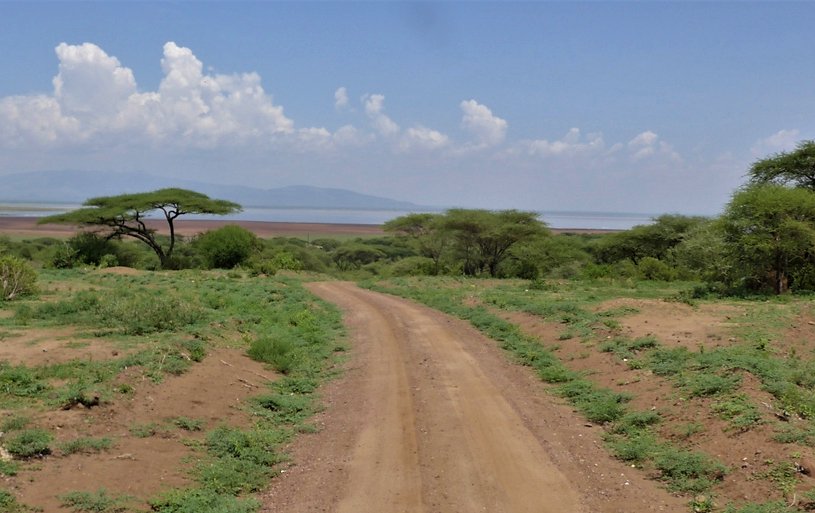
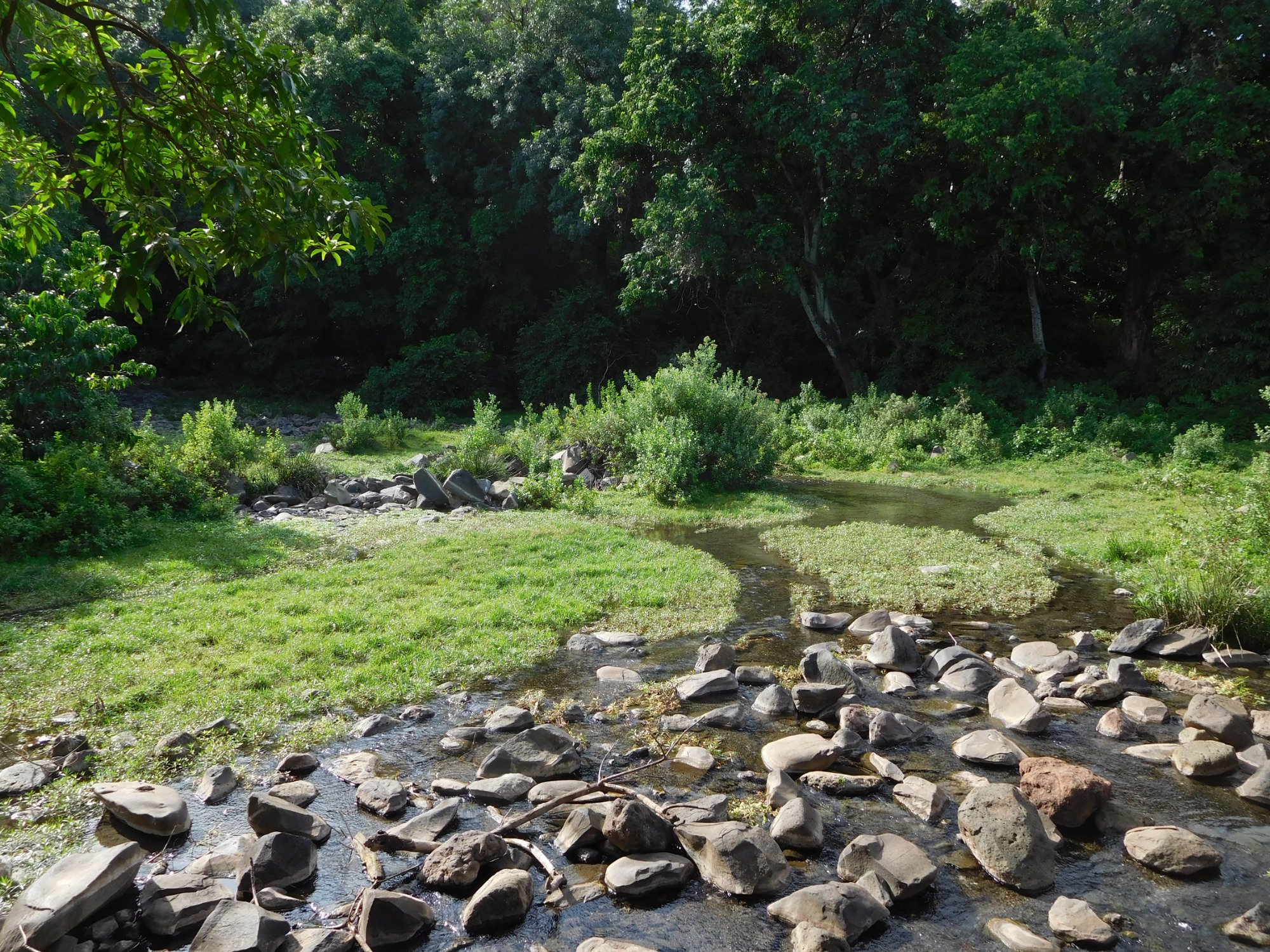
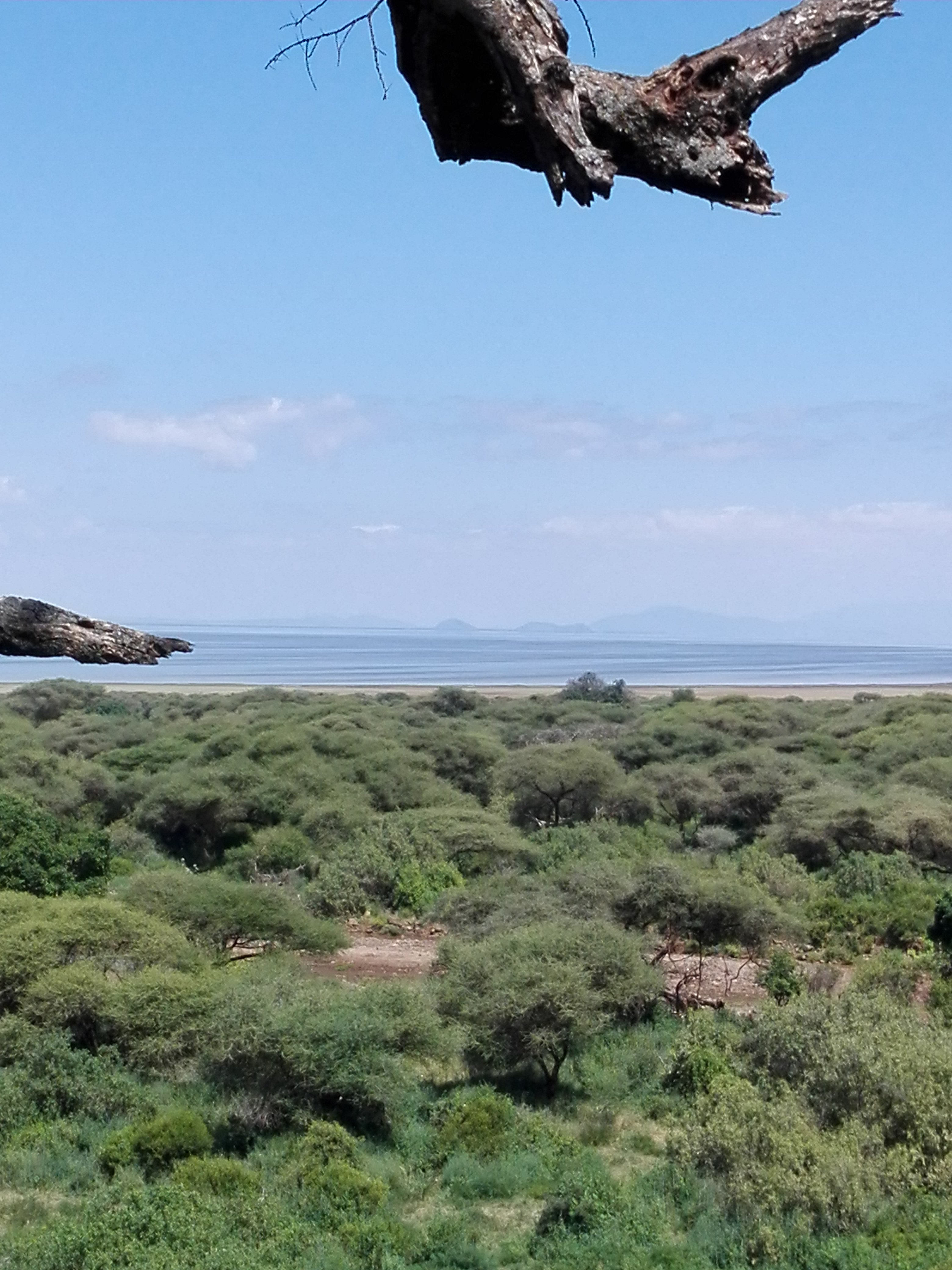
Migration at Lake Manyara is not a wildebeest river but quiet, local movement tied to rainfall. Zebra, wildebeest, buffalo and elephant shift between the park, the Marang forest, Manyara Ranch and the plains around Tarangire as water and grazing change. Lake Manyara sits beneath the Great Rift Valley escarpment in northern Tanzania, one anchor in the wider Tarangire-Manyara ecosystem rather than a stage for a single herd.
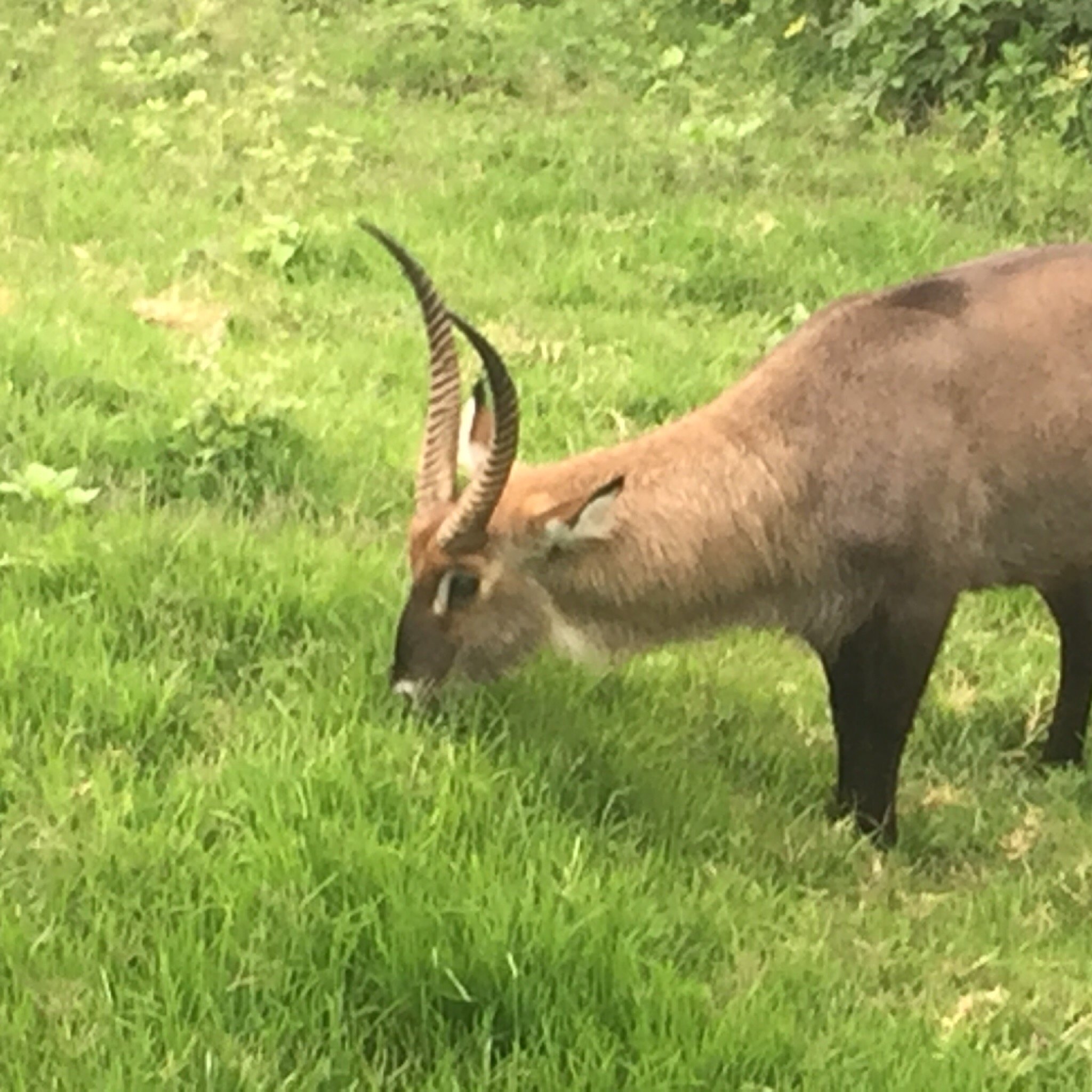
The short version is this. Lake Manyara is one anchor point in a wider web of grazing land, forest, and water known as the Tarangire Manyara ecosystem. Zebra, wildebeest, buffalo and elephant shift between the park, the Marang forest above the escarpment, Manyara Ranch, and the plains around Tarangire National Park. These are seasonal comings and goings across a shared landscape, not a single choreographed spectacle. The rest of this guide explains how that works and what it means for your game drives.
Quick orientation: Lake Manyara is a compact park, roughly a strip of land between the escarpment and a shallow soda lake. Wildlife moves in and out of it along ancient routes, most importantly the Kwakuchinja corridor that links Manyara with Tarangire. The lake itself acts as a magnet in the dry months and empties of pressure in the rains.
What Migration Actually Means Around Lake Manyara
Migration is a loaded word on safari. In its strict sense it describes the annual round trip of eastern white bearded wildebeest and plains zebra across the greater Serengeti. Around Lake Manyara the movement is real but different in scale and character. Animals track the grass and the water, drifting toward the park and its permanent springs when the wider country dries out, then spreading back across the surrounding rangelands once the rains green the plains again.
Researchers describe the Tarangire Manyara ecosystem as a landscape of about 20,500 square kilometres, held together by the seasonal movements of grazing herds. Lake Manyara National Park is one of three main dry season refuges in this system, alongside Tarangire National Park and Manyara Ranch. During the rains the same animals disperse widely to calving and grazing grounds that lie well beyond any park boundary. So the honest description of Lake Manyara animal migration is short distance, seasonal, and shared with neighbouring lands rather than contained within the park.
Clearing Up the Serengeti Migration Confusion
The single most common misunderstanding is worth stating plainly. Lake Manyara is not part of the Serengeti Great Migration. The wildebeest and zebra that circle between the Serengeti and the Masai Mara never pass through Manyara. Those herds move in a huge loop hundreds of kilometres to the west and north, driven by rainfall across the Serengeti plains.
The confusion arises for a simple reason. Lake Manyara is a popular first or second stop on a classic northern Tanzania route that also takes in Ngorongoro and the Serengeti. Tour itineraries bundle these places together and often carry the word migration in their titles, which leaves travellers assuming Manyara hosts part of the same event. It does not. Manyara has its own local herds and its own seasonal rhythm. Treat it as a distinct wildlife destination with its own strengths, especially the groundwater forest, the elephant herds, the flamingo fringed lake, and the tree climbing lions, rather than as a viewing point for the Serengeti spectacle. If seeing the great herds is your goal, plan time in the Serengeti proper and read up on the best time for wildlife viewing before you fix your dates.
The Kwakuchinja Wildlife Corridor Explained
The physical link that makes local movement possible is the Kwakuchinja wildlife corridor. This strip of land runs between Lake Manyara National Park and Tarangire National Park, threading through the Burunge Wildlife Management Area and across Manyara Ranch. For generations it has served as the passageway that lets animals walk between the two parks in search of water, forage and breeding ground.
Historically the corridor has carried around 25 species of wildlife, from elephant and buffalo to zebra, giraffe and the predators that follow them. Elephants in particular rely on it, moving between Tarangire and the Manyara side as conditions change through the year. Keeping herds connected across this route matters for their long term health, since it lets populations mix and reach the different resources each area offers at different times.
The corridor is under real pressure. Farmland, fencing and growing settlements have narrowed it, and one assessment in 2009 rated its condition as critical. Conservation groups working with Maasai communities have since put agreements and protected blocks in place to keep the route open. This is worth knowing on safari because the animal movement you observe around Lake Manyara depends on land far outside the park gate, and its future is not guaranteed.
How the Wet Season Scatters the Herds
The rains in this part of Tanzania fall roughly from November through May, in a shorter burst around November and a longer spell from March into May. When the plains outside the parks turn green, grazing animals have little reason to crowd the permanent water. Zebra, wildebeest and buffalo spread out across the wider rangelands to feed on fresh grass and to raise their young.
In the wider Tarangire Manyara system this dispersal takes herds east toward the Simanjiro Plains and out across the Maasai Steppe, areas that hold nutrient rich forage exactly when calving animals need it most. The result around Lake Manyara is a quieter park in the green months. You still see resident elephant, hippo, baboon troops and abundant birdlife, and the scenery is at its greenest, yet the concentrations of plains grazers thin out as they follow the grass away from the lake. The wet season disperses game across a landscape too large to fence, which is precisely why the corridors matter.
The herds are not performing a single migration past Lake Manyara. They are breathing in and out of the park with the seasons, gathering at water when the land dries and scattering to the plains when the rain returns.
Why the Dry Season Concentrates Game
From about June to October the country outside the park hardens and the seasonal pans dry up. Water becomes the deciding factor, and Lake Manyara holds a strong hand. The park is fed by underground springs that keep the groundwater forest alive and maintain pools and marshy ground even when the surrounding land is parched. Animals read this and move in.
Across the Tarangire Manyara ecosystem the dry months pull wildlife back toward the three main refuges, and Lake Manyara becomes a reliable draw for elephant, buffalo and grazing herds along the floodplain near the lakeshore. For a visitor this is the season of easier game viewing. Vegetation thins, animals gather at predictable water, and a single morning game drive along the lake edge can turn up large groups where the green months would have shown scattered individuals. If your priority is seeing plenty of animals in a short window, the dry season stacks the odds in your favour. You can read more about the resident species in this overview of the animals in Lake Manyara.
Elephants and the Marang Forest Movements
Elephants are the clearest example of local movement you can actually watch. Lake Manyara is famous for its elephant herds, and these animals do not stay put inside the park fence line. Above the escarpment to the south sits the Marang forest reserve, a cool wooded highland that borders the park along the rift wall. Elephants move between the forest reserve, the corridor and the park floor, using different elevations and food sources as the seasons turn.
This vertical shift, from the springs and woodland of the valley floor up to the forest above, is part of what keeps Manyara elephants so visible. In the dry season they come down to the reliable water and the groundwater forest, where mahogany, fig and tamarind trees hold shade and browse. When the rains spread food more widely they range further, including up toward Marang and out along the Kwakuchinja route toward Manyara Ranch and Tarangire. To understand why these herds are the signature sight of the park, this closer look at the elephants of Manyara is a good companion read.
Manyara Ranch and the Bigger Tarangire Picture
Manyara Ranch is a working conservancy of roughly 35,000 acres that sits squarely in the middle of the corridor, held in partnership with local Maasai communities and conservation trusts. It is not part of the national park, but it is a central piece of the migration story because it forms the stepping stone that keeps Manyara and Tarangire connected. Without open land here the two parks would be islands.
The ranch carries elephant, giraffe, wildebeest, zebra, gazelle and eland, and it has become a genuine passage for moving herds again after years of overgrazing and poaching were brought under control. In the dry season it joins Lake Manyara and Tarangire as one of the refuges where wildlife concentrates. In the wet season it forms part of the route out to the dispersal grounds. Seen from above, Lake Manyara is one node, Manyara Ranch is the bridge, Tarangire is the great dry season water source on the Tarangire River, and the Simanjiro Plains are the wet season nursery. The animals you watch at the lake belong to this whole system, not to the park alone.
What Local Movement Means for Your Game Drives
All of this shapes what a game drive at Lake Manyara delivers, and it varies with the calendar more than many visitors expect. In the dry months the lakeshore floodplain, the springs and the groundwater forest reward slow driving, with elephant and buffalo often in strong numbers and predators following the grazers. A guide who knows where the water holds will read the movement for you and put you in the right place.
In the green months the same routes feel different. Fewer massed herds, but excellent birding as migratory species arrive, dramatic skies, newborn animals in the wider ecosystem, and the forest at its richest. Neither season is wrong. They simply offer different things. What matters is going in with an accurate idea of the local, seasonal nature of Manyara animal movement, so you judge a good safari here by the quality of what the park does well rather than by a Serengeti style spectacle that was never going to appear.
Planning Game Viewing Around the Seasons
Practical planning follows directly from the movement pattern. If dense concentrations of animals and reliable big herd sightings are your aim, aim for the dry window from June to October, when game gathers at the park water and the Kwakuchinja refuges fill up. If you value green scenery, fewer vehicles, strong birdlife and lower prices, the wet months from November to May have their own appeal, with the understanding that grazers will be more scattered.
Because Lake Manyara is compact, many travellers give it a half day or a full day as part of a longer northern route. That is enough to work the groundwater forest, the lakeshore and the hippo pools and to appreciate the elephant herds. Pairing it with Tarangire, which is the true stronghold of the local dry season concentration, gives you both ends of the same ecosystem in a single trip. For a fuller breakdown of seasons and sightings, this guide to the best time for wildlife viewing lays out the trade offs month by month.
Dry season focus: lakeshore floodplain, groundwater forest springs, elephant and buffalo groups, easier predator sightings, thinner bush.
Wet season focus: green forest, migratory birds and flamingo numbers, newborn wildlife in the wider system, quieter roads, scattered grazers.
Corridor awareness: the animals move along the Kwakuchinja route between Manyara, Manyara Ranch and Tarangire, so a combined itinerary reads the system best.
Frequently Asked Questions
Is Lake Manyara part of the Great Migration?
No. The Great Migration of wildebeest and zebra happens in the Serengeti and Masai Mara, far to the west and north. Lake Manyara has its own local, seasonal movement of zebra, wildebeest, buffalo and elephant tied to rainfall and water, and it shares these herds with Tarangire through the Kwakuchinja corridor. The two are often booked on the same trip, which is where the mix up comes from.
What animals actually migrate around Lake Manyara?
Zebra, wildebeest, buffalo and elephant are the main movers. They shift between the park, the Marang forest above the escarpment, Manyara Ranch and the Tarangire plains as the seasons change. Elephants are the easiest to observe because they move between the valley floor and the higher forest through the year.
When is the best time to see concentrated wildlife at Lake Manyara?
The dry season, roughly June to October, brings the strongest concentrations. As the surrounding country dries out, animals gather at the park springs and lakeshore, so herds are easier to find and the bush is thinner for viewing. The green season from November to May scatters the grazers but rewards birders.
What is the Kwakuchinja corridor and why does it matter?
It is the strip of land that connects Lake Manyara National Park with Tarangire National Park, passing through the Burunge Wildlife Management Area and Manyara Ranch. It lets animals walk between the two parks to reach water and forage. Farming and settlement have squeezed it over the years, so conservation groups and Maasai communities work to keep the route open.
How much time should I spend at Lake Manyara?
Most visitors give the park a half day to a full day within a longer northern Tanzania route. That covers the groundwater forest, the lakeshore, the hippo pools and the elephant herds. Park entry fees for a non resident adult sit in the region of 50 to 60 US dollars per day, with vehicle and guide costs on top, so confirm current rates with your operator when you book.
Will I see the tree climbing lions during the migration season?
Tree climbing lions are a resident feature of Lake Manyara rather than a migratory one, so their presence does not depend on any herd movement. Sightings are never guaranteed, but the dry season, with thinner vegetation and game concentrated near water, gives you the better odds of finding them resting in the acacia and mahogany branches.