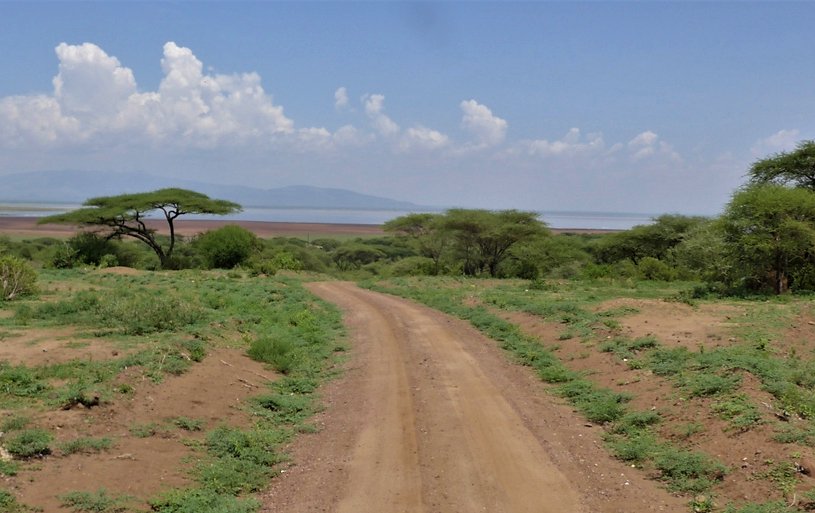
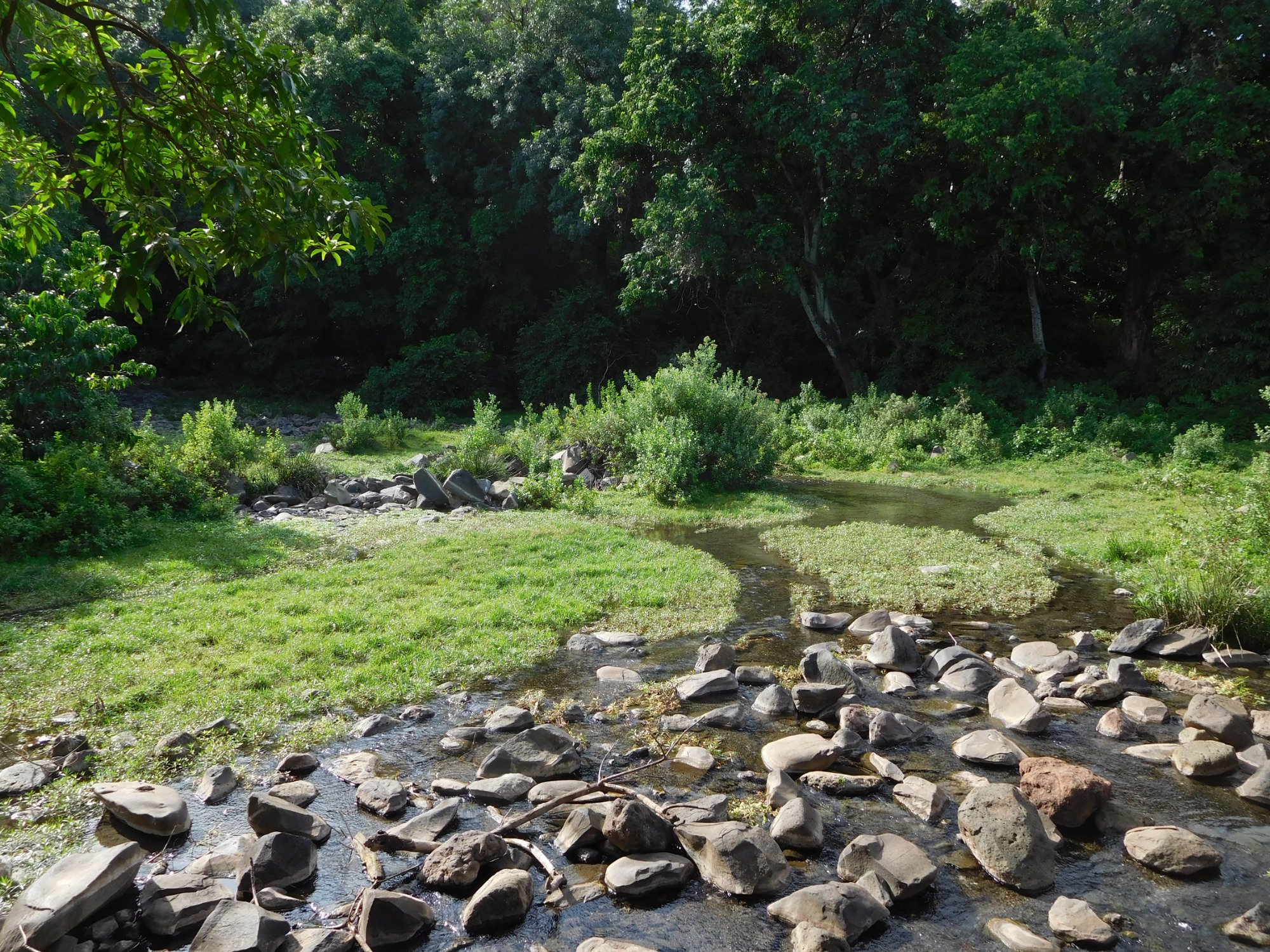
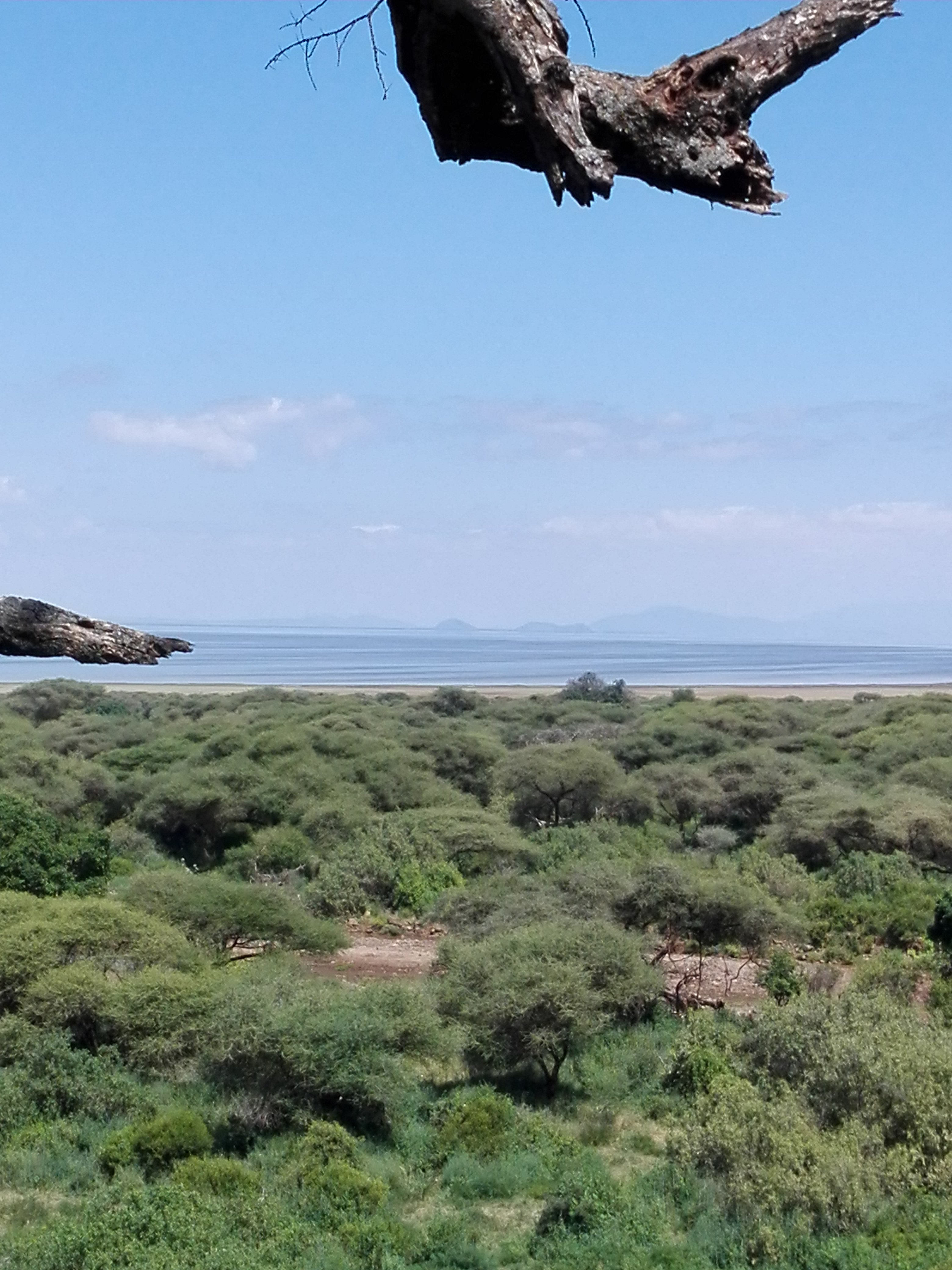
Migratory birds reach Lake Manyara through the wet season, roughly November to April, when Palearctic and intra-African travellers drop onto the soda lake to feed beside the resident birds. Visitors then find waders, storks, waterfowl and passing raptors in one compact park. Lake Manyara sits at the foot of the Great Rift Valley in northern Tanzania, and its shallow alkaline lake is the draw.
This guide walks through which migrants show up, why the lake pulls them in, where to look for them, and how their arrival shapes the timing of a trip. It also tries to be honest about what you will actually see. Numbers on the water swing with rainfall, some species are quiet and easy to miss, and a single morning game drive rarely delivers every bird on a wish list. Setting expectations early makes the good sightings feel earned rather than promised.
Why the Soda Lake Pulls In Migratory Birds
The heart of the park is a wide alkaline lake that covers a big share of its roughly 330 square kilometres. The water is shallow and salty, fed by underground springs from the escarpment and by seasonal rivers such as the Mto wa Mbu, Simba and Makuyuni. When the rains come, water levels rise and blooms of blue green algae spread across the surface. Those algae, along with tiny crustaceans and insect larvae, form the base of a food web that birds can exploit in huge numbers.
For a bird flying south to escape the cold, a place like this is worth the distance. The soft mud along the shore is thick with worms, snails and insect life that waders probe for with long bills. The open shallows hold small fish and invertebrates for storks, pelicans and herons. The reed edges and flooded grass give warblers and wagtails cover and feeding room. A single wetland that offers this many feeding styles at once is exactly the kind of stopover the East African flyway is built around, and Lake Manyara sits squarely on that route between Europe, Asia and the wintering grounds further south.
The wet season that brings the migrants is also the season that raises the water. In some years the lake spreads far out and the flamingos and waders push to the distant edges, well beyond easy viewing range. Rainfall drives the show, so two trips in the same month of different years can look quite different.
Who Arrives: Palearctic and Intra African Migrants on Safari
The migrants split into two broad groups. The first are the Palearctic migrants, birds that breed across Europe, North Africa and northern Asia and fly south to avoid winter. The second are the intra African migrants, birds that stay within the continent but shift with the rains and the food they bring.
Among the Palearctic arrivals you can hope for a spread of waders and shorebirds: sandpipers, stints, plovers and the occasional ruff working the mud and the shallow margins. Wagtails, chiefly yellow and white forms, walk the wet grass and the shoreline. Warblers move quietly through the reeds and scrub, often heard before seen, and they take patience to sort out. White storks pass through and sometimes gather in loose flocks on the plains. Birds of prey join the movement too, with harriers quartering low over the grass and small falcons hunting insects on the wing.
The intra African travellers follow the rain more than the calendar. Abdim’s stork is a classic example, arriving in northern Tanzania during the wet months to feed on locusts and swarming insects, often in the company of other storks. Colourful movers such as rollers and bee eaters brighten the woodland edges when they pass, and their timing can be patchy from one year to the next. The point worth holding onto is that many of these birds are on the move, so presence is never guaranteed on any given day.
A migrant on the map is not a migrant on the mud. The lake decides how many arrive and how close they feed, and the weather that season has the final say.
The Wetlands and Shoreline as a Birding Stage
Lake Manyara packs several habitats into a narrow strip between the escarpment and the lake, and the wetland edge is where the migration is easiest to read. The shoreline shifts as water rises and falls, exposing bands of mud, salt pan and flooded grass that different birds prefer. In the drier stretches the falling water reveals salt flats that have drawn Palearctic species such as the red throated pipit, a small brown bird that rewards a careful scan of open ground.
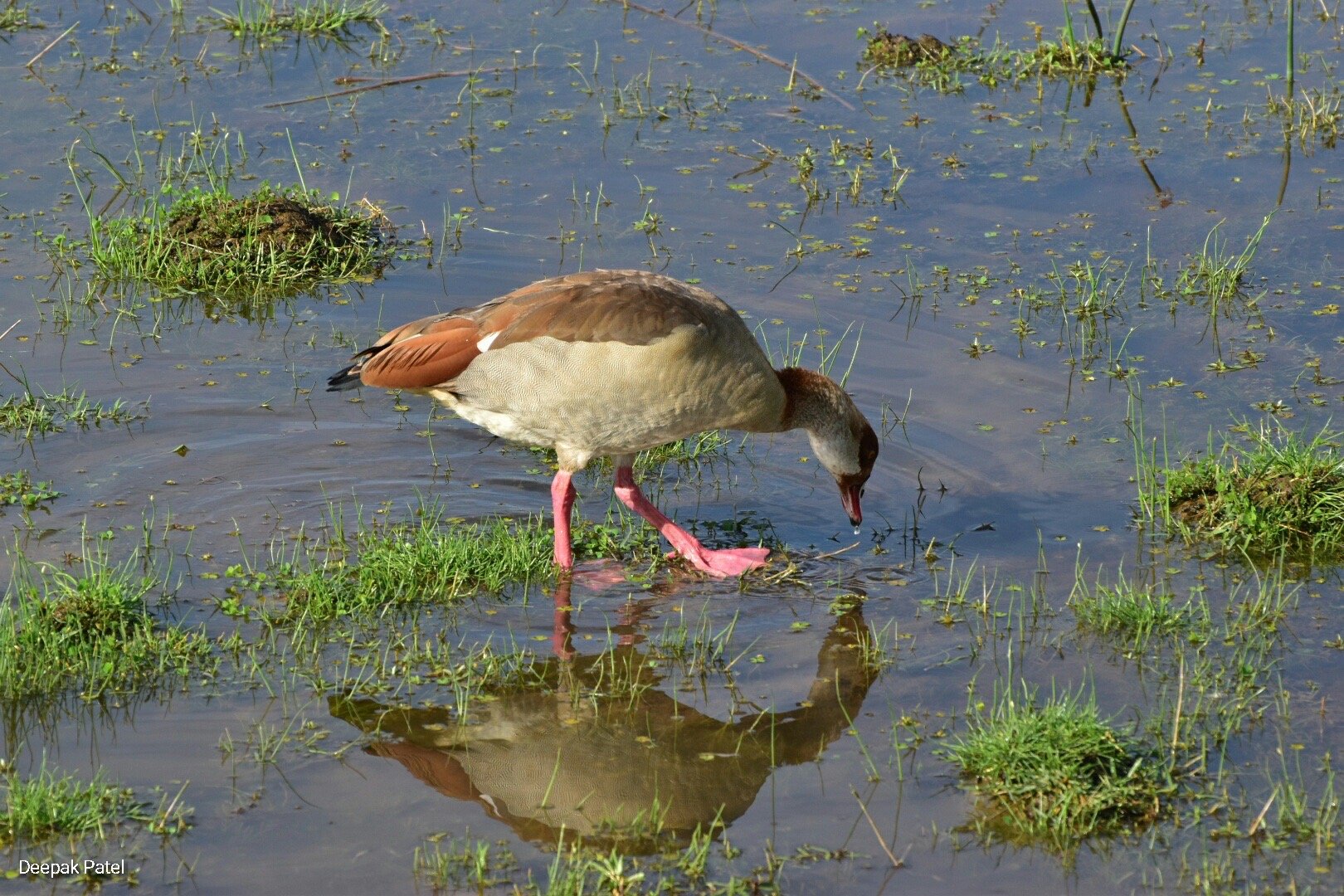
Out on the water and along its rim you can find flocks of great white pelicans, cormorants, spoonbills, ibises, herons and a mix of storks that ranges from the scruffy marabou to the tall saddle billed stork. Egyptian geese, ducks and the graceful grey crowned crane add to the tally. The two flamingo species, lesser and greater, gather when the algae are thick and can turn a stretch of shore pink, though the size of the gathering swings widely with conditions and they often keep their distance. Treat a big flamingo showing as a bonus rather than a fixture.
Behind the shore, the groundwater forest fed by the escarpment springs works as a nursery for pelicans, storks and marabous, while the acacia woodland and the reed fringed swamps hold their own set of birds. This mix is why a first visit here can produce a long day list. A newcomer to African birding might reasonably log around a hundred species across a single full day when the water and the weather cooperate, and a fair slice of that list in the wet season will be seasonal arrivals rather than residents.
How Migrants Share the Park With Resident Birds
The migrants do not arrive to an empty stage. Lake Manyara records well over four hundred bird species, and the great majority are residents that hold the park through the year. The seasonal birds slot in around them, using the same mud, water and reeds at a time when the rains have swelled the food supply for everyone.
This overlap is part of what makes wet season birding here productive. Resident kingfishers, hornbills, shrikes, weavers, barbets and starlings are joined by the travelling waders, wagtails and warblers, so a morning can swing from a familiar African species to a bird that will soon fly back to Europe. For a visitor building a broad picture of the park’s birds of Lake Manyara, the migration months add depth to a list that is already long, and the contrast between the two groups is part of the interest.
It also pays to keep a sense of proportion. On any single drive the residents usually dominate the sightings simply because they are always present, while the migrants come and go. Some seasonal species are common and obvious, others are scarce or shy, and the quiet warblers in particular can slip past without a good guide to pick them out. A steady day of watching, rather than a rushed loop, is what turns the migration into something you actually notice.
Best Months for a Lake Manyara Birding Trip
The window for migratory birding runs with the wet season, roughly from November to April, and this is when the Palearctic and intra African species share the park with the residents. Many guides point to December through April as the strongest stretch, when the migrants are settled in and a good number of resident birds carry fresh breeding plumage. Water birds are often at their best then, and the greenery makes for pleasant conditions between showers.
The trade offs are real and worth planning around. Wet season means rain, and the short and long rains can bring muddy tracks and heavy afternoon downpours. High water can also push the shoreline birds far out, so the same rains that deliver the migrants can make them harder to see up close. For a fuller look at how the seasons stack up against each other, the best time for birdwatching is worth weighing against your tolerance for wet roads and changeable light.
If migrants are the goal, aim for the middle of the season rather than its ragged edges. Early November and late April can be hit or miss as birds are still arriving or already leaving, while the core months give the steadiest presence.
Time of day matters as much as time of year. The soft light and cooler air of early morning, from about half past six to nine, and again in the late afternoon toward dusk, are when birds feed most actively and the heat haze off the lake is at its gentlest. A slow start and an unhurried pace beat a fast circuit of the whole park.
Where to Look: Top Birding Spots in the Park
A handful of places concentrate the wetland birds and repay a longer stop. The shoreline flats and the flamingo shores are the obvious draw for waders, storks and pelicans, best scanned with binoculars since the birds often work the far mud. The Simba River and its hippo pool pull in a wide crowd beyond the hippos themselves, with herons, storks and smaller water birds along the banks.
The groundwater forest near the entrance is a cool, shaded start where you can pick up forest species and watch the treetop nesting birds. The Silale swamp, an open marsh in the south of the park, is one of the richer spots for water birds and often holds a good gathering. The Endala area and the viewpoints along the rift escarpment give you height and a wide sweep of the lake, useful for raptors on the move and for reading where the flocks have settled that day.
Because the birds shift with the water, no single spot is reliable across a whole season. A guide who has driven the park that week will know where the shoreline sits and which pools are holding birds, and that local read is worth more than any fixed list of coordinates. Building a route that links the forest, the river, the open shore and the swamp gives the best chance of catching both the residents and the seasonal arrivals in one outing.
Raptors and Rollers: Birds of Prey and Bright Movers
The migration is about more than birds on the mud. Lake Manyara records more than fifty birds of prey, and some of them are seasonal. Harriers such as the pallid harrier drift in from the north to hunt over the grass, and small falcons including the lesser kestrel chase insects during the wet months. These join resident hunters like the African fish eagle, the martial eagle, the crowned eagle and the long crested eagle, so the raptor watching in the migration season can be strong when the day is clear.
The bright movers are the ones people remember. Rollers, including the European roller on passage, perch on bare branches and drop onto prey in the grass, flashing blue as they go. Bee eaters hawk insects in loose parties along the woodland edges. Both groups are colourful and often perch in the open, which makes them satisfying to watch, but their timing during passage is uneven. Some weeks they are around in good numbers, other weeks they have moved on. Enjoy them when they appear rather than counting on them.
For anyone keeping score, matching what you see against a reference helps sort the seasonal birds from the residents and keeps the raptors honest, since several look alike in flight. A working bird checklist is a practical companion for the drive, giving you a place to mark the migrants as they turn up and a way to tell a passing harrier from a bird that lives here year round.
Planning a Birding Safari Around the Migration
4-Day Tarangire, Lake Manyara & Ngorongoro Safari
5-Day Lake Manyara, Tarangire, Serengeti & Ngorongoro Safari
6-Day Arusha, Manyara, Tarangire & Ngorongoro Safari
Lake Manyara is compact, and most visitors give it a half day or a full day as part of a wider northern safari loop that takes in the crater highlands and the plains beyond. For migratory birding, lean toward the full day and toward the early and late hours when the light is kind and the birds are feeding. A pair of binoculars, a field guide and patience will do more for your list than trying to cover ground quickly.
Bring gear for wet weather and expect the tracks to be soft in the rains. A guide who knows the park’s birds is the single biggest help, both for finding the quiet species and for reading where the water has pushed the flocks that week. Keep your hopes broad rather than fixed on one headline bird, since the migration is a moving thing and the lake writes its own script each season. Take the flamingos, the storks and the passing rollers as they come, and a wet season morning at Manyara can hand you a rich mix of resident and travelling birds in a short, easy visit.
Frequently Asked Questions
What months do migratory birds arrive at Lake Manyara?
The migrants are present through the wet season, roughly from November to April. Many are settled in from about December to April, which tends to be the steadiest stretch for seeing Palearctic and intra African species alongside the resident birds. The very start and end of the window can be patchy as birds are still arriving or already leaving.
Am I guaranteed to see flamingos and lots of migrants?
No, and it is fair to expect variation. Flamingo numbers swing with the algae and the water level, and in high water the flocks often keep to the far shore, out of close range. Migrant waders, warblers and rollers come and go with the weather and the passage timing. Treat big showings as a bonus rather than a certainty, and enjoy the resident birds that are always present.
How many bird species might I see in a day?
On a good full day with cooperative weather, a visitor new to African birding can reasonably log around a hundred species, drawing on the park’s total of more than four hundred. In the wet season a fair share of that list will be seasonal migrants. A slow pace, a knowledgeable guide and stops at several habitats push the number higher than a quick loop would.
What does it cost to visit Lake Manyara for birding?
Park entry for a foreign adult sits at roughly fifty to sixty US dollars per day, with lower rates for East African residents and citizens, plus a vehicle fee and, if you use one, a guide fee. Prices are set by the park authority and change over time, so confirm the current figures before you travel. Budgeting for a full day rather than a short stop gives the migration more room to reward you.
Do I need a specialist guide to find the migrants?
You do not strictly need one, but a birding guide makes a large difference, especially for the quiet warblers, the small waders and the raptors that look alike in flight. A guide who has driven the park that week will also know where the shoreline sits and which pools are holding birds, which matters because the water and the flocks move constantly through the wet season.
What should I bring for a wet season birding visit?
Binoculars are the first thing, along with a field guide or a checklist for marking off the migrants. Pack for rain and expect soft, muddy tracks, since the same wet season that brings the birds also brings the showers. Come in the early morning or late afternoon for the best light and the most active feeding, and give yourself time to watch rather than rush.