
Tanzania Safari: The Complete Guide
A Tanzania safari combines open grass plains, big cat sightings and the wildebeest herds of the northern circuit into a trip most first time visitors cover in a week to ten days. The northern parks around the Serengeti and Ngorongoro hold the highest wildlife density, while the southern and western parks stay wilder and quieter. This guide covers the parks, timing and how to plan a trip.

The country splits its wildlife travel into two broad zones. The northern circuit is the famous one, built around the Serengeti and Ngorongoro, and it is where most safaris happen. The southern and western parks are wilder, quieter, and reached mostly by small plane. Both give you real game viewing. They just feel different once you are on the ground.
If this is your first safari and you have between seven and ten days, the northern circuit is the natural choice. It has the highest wildlife density, the best road network, and the Great Migration for much of the year. Save the remote southern parks for a second trip or add them by air if you have extra time.
What a Tanzania safari actually looks like
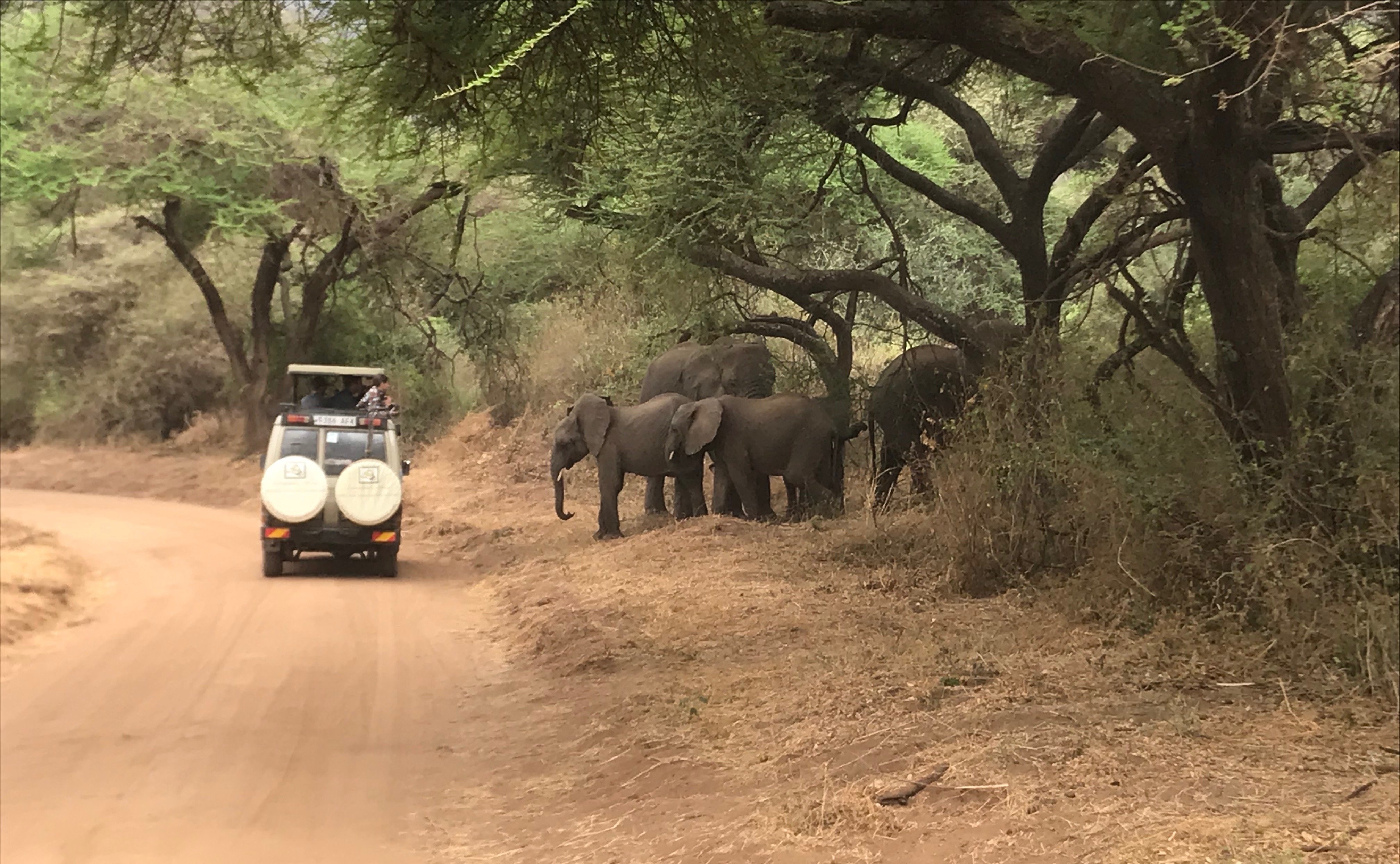
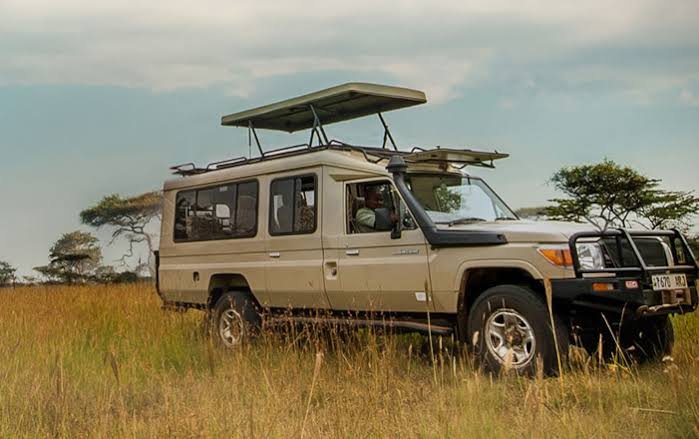
A safari day is quieter and slower than people expect. You wake before dawn, because the cool early hours are when predators are still active and the light is soft. A guide drives you out in an open sided or pop top vehicle, and you spend the morning reading the landscape: fresh tracks in the dust, vultures dropping toward a kill, the alarm calls of impala that give away a leopard. Mid day, when the heat flattens everything and animals rest in shade, you come back to camp for lunch and a break. A second game drive goes out in the late afternoon and runs until the gates close near sunset.
You are almost always with a professional driver guide who knows the park and reads animal behaviour for a living. That guide is the single biggest factor in what you see. Good guides talk to each other by radio, position the vehicle for photography rather than just parking anywhere, and can tell you why a cheetah is scanning a certain ridge. Wildlife is wild, so nothing is promised, but a strong guide turns a flat morning into a good one more often than luck does.
The northern safari circuit and its parks
The northern circuit strings together four main parks within a manageable drive of the town of Arusha, which is where most trips begin. In rough order as you head west you pass through Tarangire, then Lake Manyara, up onto the rim of Ngorongoro, and finally out onto the Serengeti plains. A classic loop covers all four over six to eight days, either driving the whole way or flying one or both legs of the longer stretches.
What makes this circuit special is variety within a short distance. In a single week you move from baobab studded elephant country to a soda lake full of flamingos, into a collapsed volcanic caldera, and out onto open savanna that seems to have no edge. Each park has a character of its own, so the days do not blur together.

The Serengeti and the endless plains
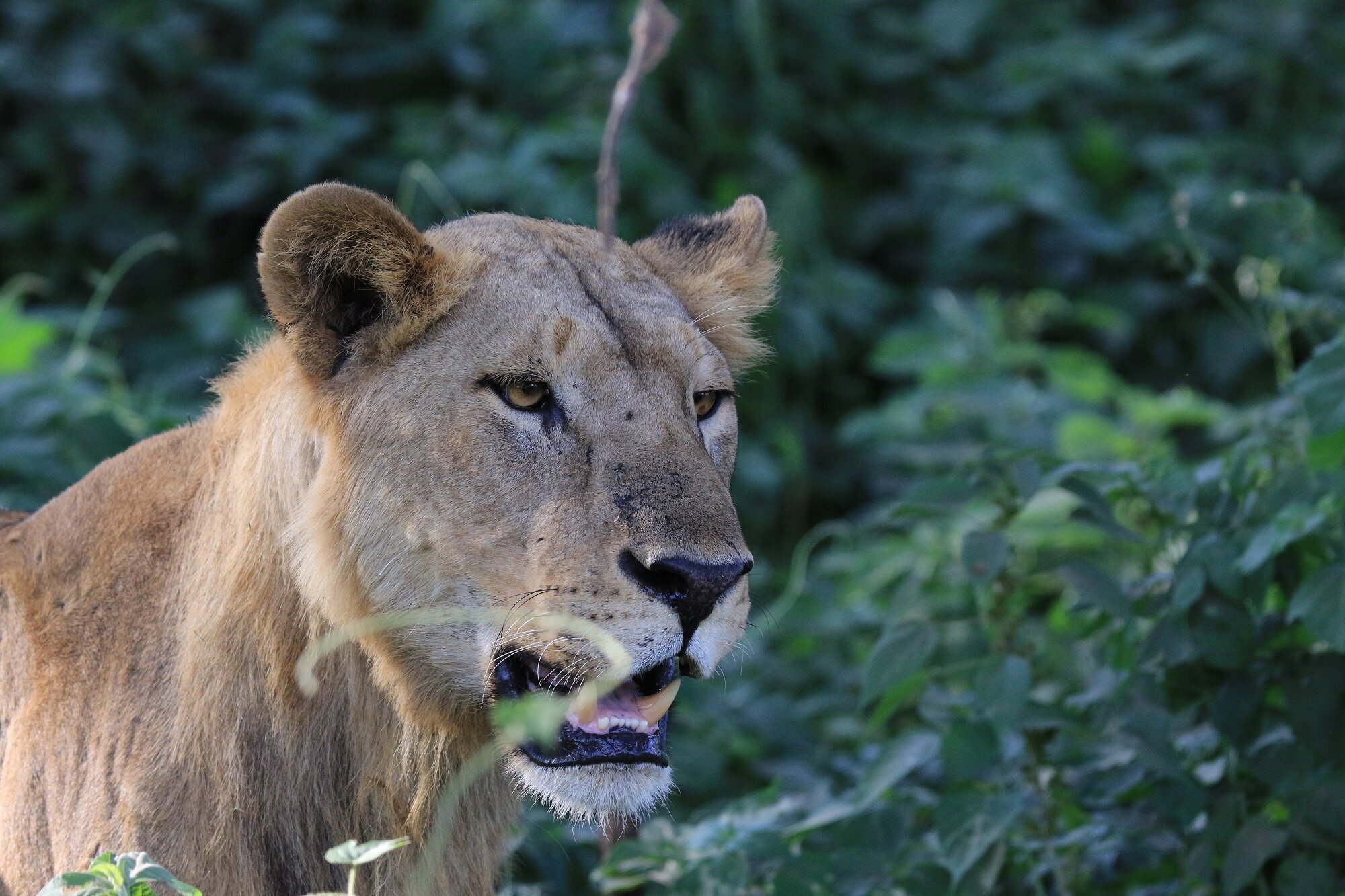
The Serengeti is the heart of any northern safari, and for good reason. Its name comes from a Maasai word for open land, and the southern plains really do stretch flat and treeless for as far as you can see. This is prime predator country, with one of the largest lion populations anywhere, plus healthy numbers of leopard, cheetah, spotted hyena and, in some corners, wild dog. Because prey is abundant and cover is thin, hunts play out in the open in a way they rarely do elsewhere.
The park is huge, and where you stay matters. The southern and central areas are grassland; the north near the Kenyan border is more wooded and cut by the Mara River. Time your visit right and you can watch the Serengeti host the migration herds, but even outside those weeks the resident wildlife alone justifies two or three nights here. This is the park people mean when they picture a Tanzania safari, and it usually anchors the trip.
The southern Serengeti plains carpet with new grass after the rains, and for a few weeks the horizon is nothing but wildebeest and their calves.

Ngorongoro Crater game drives
Ninety minutes or so from the plains sits one of the strangest wildlife settings in Africa. The Ngorongoro Crater is the floor of a volcano that collapsed in on itself long ago, leaving a bowl roughly twenty kilometres wide with steep walls on every side. Around twenty five thousand large animals live down there, hemmed in by the rim, which means a single day of game driving on the crater floor can deliver a startling roll call: lion, elephant, buffalo, hippo, flamingo, and the black rhino that is so hard to find almost everywhere else.
That density is exactly why the crater gives you the best single day odds of seeing all of the Big Five together. Vehicles descend a steep access road in the morning, spend the day on the floor, and climb back out before evening, since camps sit up on the cooler rim. It gets busy, and you will share sightings with other vehicles, but few places on earth concentrate this much wildlife in one view.

Tarangire and Lake Manyara on safari
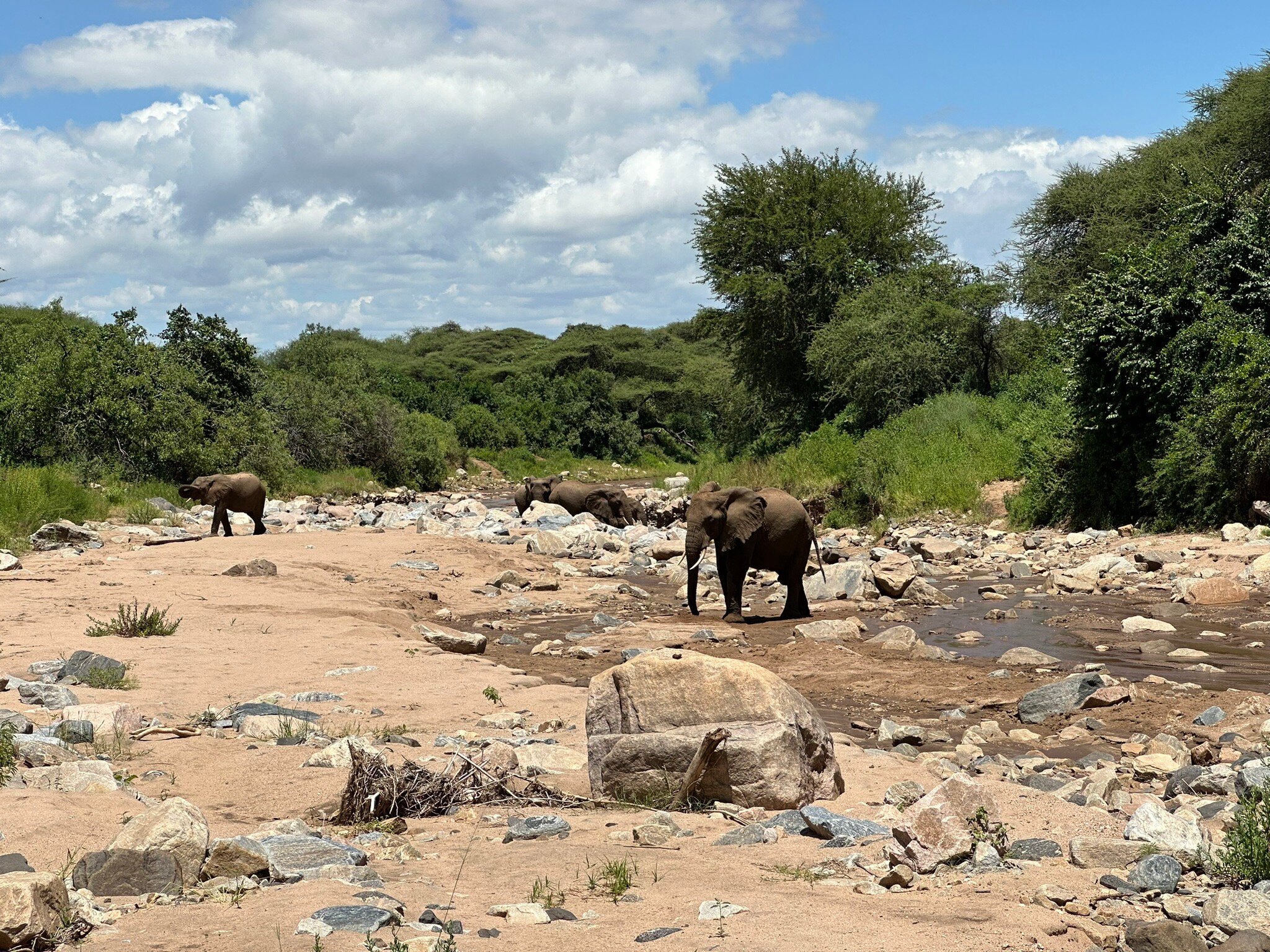
The two smaller northern parks are often treated as bookends to the bigger names, and that undersells them. Tarangire, in the dry months, draws enormous elephant herds to its river, and its skyline of ancient baobab trees is unlike anywhere else on the circuit. When water is scarce across the wider region, animals funnel into Tarangire, and the game viewing can rival the Serengeti for a few weeks.
Lake Manyara is smaller still and sits below the dramatic wall of the Rift Valley escarpment. Its shallow soda lake pulls in flamingos and other water birds by the thousand, and the groundwater forest at the entrance shelters troops of baboons and blue monkeys. The park is famous for lions that sometimes rest in the branches of acacia trees, a behaviour that is never guaranteed but does turn up here more than in most places. A half day is often enough, which makes Manyara an easy first or last stop.
The Great Migration month by month
The Great Migration is the movement of roughly two million wildebeest, zebra and gazelle in a slow, year round loop through the Serengeti ecosystem, following the rain and fresh grass. It is not a single event you catch on one date. It is a moving target, and where it sits depends on the month.
From around December to March the herds gather on the short grass plains of the southern Serengeti and Ndutu. This is the calving season: across a tight window in February, something like half a million calves are born within a few weeks. Predators track the herds closely then, so the action can be intense. As the plains dry out, the animals push west and north. Around June they pile up along the Grumeti River in the western corridor. By July and August the leading herds reach the Mara River in the far north, and the dramatic river crossings begin, with columns of wildebeest plunging through crocodile filled water. Those northern crossings run through roughly September and into October before the herds turn south again with the short rains.
To see a river crossing you generally need to be in the northern Serengeti between about July and October, and even then crossings happen on the animals’ schedule, not yours. Plan for the region and the season, stay a few nights, and treat any single crossing as a bonus rather than a booking.

The Big Five and wildlife you can expect
The term Big Five covers lion, leopard, elephant, buffalo and rhino, a phrase left over from hunting days that now just marks the animals most people hope to tick off. On a well planned northern safari, lion, elephant and buffalo are near certain over several days. Leopard is common but shy, so sightings depend on a sharp guide and a bit of patience. Rhino is the hard one; black rhino survive in small numbers, and the crater is your realistic shot at seeing one.
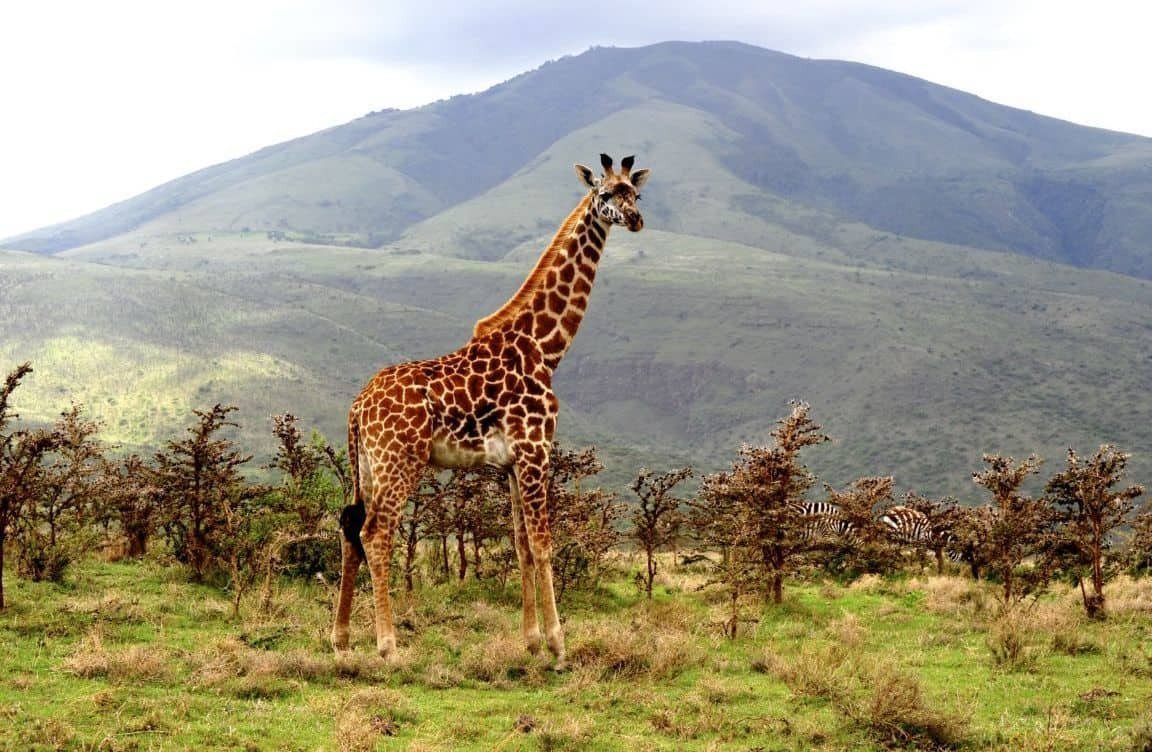
Beyond the famous five, the plains hold cheetah, giraffe, zebra, hippo, hyena, jackal, and dozens of antelope species from tiny dik dik to the horse sized eland. Birdlife is enormous too, from lilac breasted rollers to ostrich to the flamingo flocks on the soda lakes. If you want a fuller sense of what to see across the different parks, the mix shifts as you move between grassland, forest, wetland and crater floor, which is part of why the circuit stays interesting day after day.
Southern and western safari parks
Away from the northern crowds, Tanzania keeps a set of vast, thinly visited parks for travellers who want space and quiet. Nyerere National Park, carved from the old Selous Game Reserve, is the largest park in the country and is laced with the channels and lakes of the Rufiji River. Because of that water, Nyerere offers boat safaris alongside the usual driving, which is a genuinely different way to watch elephant and hippo. Ruaha National Park, further inland, is rugged and remote, with big buffalo herds and some of the largest lion prides in Africa; a meaningful share of the continent’s remaining lions live in this ecosystem.
Further west, Katavi is one of the least visited major parks anywhere, a floodplain wilderness where you can go most of a day without seeing another vehicle. These southern and western parks generally suit a second safari or a longer trip, and most people reach them by light aircraft because the road distances are long. What you trade in convenience you gain in solitude and in walking and boat based game viewing that the busier north cannot match.

Best time to plan your safari
Tanzania is a year round destination, but the wildlife and the roads change with the seasons. The long dry season from June to October is the classic safari window: skies are clear, vegetation thins out, and animals gather at shrinking water sources where they are easier to find. This is also when the northern Serengeti river crossings happen, which makes it the busiest and priciest stretch of the year.
The green months have their own case. January and February bring the calving herds to the southern plains, superb for predators and newborns. The long rains of March to May turn the country green and quiet, with the lowest prices and the fewest vehicles, though some remote tracks turn to mud and a few camps close. The short rains around November are brief, usually afternoon showers that clear quickly, and they make a fine shoulder season. For a fuller breakdown of the trade offs, see this guide to the best time to go before you lock in dates.

Fly in safari versus drive safari
Once you have picked parks and dates, the next choice is how you move between them. A drive safari keeps you in one vehicle with one guide for the whole trip, rolling overland from park to park. It costs less, it lets you watch the country change through the windscreen, and it means your guide gets to know you. The downside is time on the road; the stretch from the crater to the northern Serengeti in particular can eat a good part of a day.
A fly in safari swaps those long transfers for short hops in light aircraft, dropping you at bush airstrips inside or beside the parks. You lose the overland scenery and pay more, but you gain hours of actual game viewing and skip the tiring drives. Many people mix the two: drive the shorter early legs through Tarangire and the crater, then fly the long jump out to the Serengeti and back. For the far southern and western parks, flying is really the only sensible option.
Adding a Zanzibar beach stay
A safari asks a lot of you, with early starts and bumpy roads, so a lot of travellers end their trip lying still on a beach. Zanzibar, the spice island off the Tanzanian coast, is the usual choice, and it connects to the safari parks by direct flights that take out the overland slog. The standard advice is to do the wildlife first and the sand last, so you finish relaxed rather than rushing from beach calm into dawn game drives.
A common shape is five to seven days on the northern circuit followed by three to five nights on the coast, which lands most combined trips in the seven to twelve day range. Zanzibar adds warm water, coral reefs for snorkelling and diving, and the old coral stone lanes of Stone Town, a very different texture from the bush. It rounds a safari into a complete holiday without adding much travel stress.
How to plan a Tanzania safari
Pulling it together, a workable plan starts with three questions: how many days you have, when you can travel, and what you most want to see. From there the pieces fall into place. Seven to ten days on the northern circuit covers the headline parks comfortably. If the migration matters to you, match your dates to where the herds will be rather than picking dates first and hoping. If quiet and exclusivity matter more, look south and budget for flights.
Almost everyone books through an operator who arranges the vehicle, guide, park fees, camps and internal flights as one package, because doing that yourself across multiple parks is difficult and rarely cheaper. Give an operator your dates, your rough budget and your must sees, and let them build the routing. Bring layered clothing for cold dawns and hot middays, a decent pair of binoculars, and patience. The wildlife runs on its own clock, and the trips people remember are usually the ones where they slowed down and let a scene unfold.
Frequently asked questions
How many days do I need for a Tanzania safari?
Most first time visitors spend between four and seven days on safari, with seven to ten days being the comfortable sweet spot for the full northern circuit. Anything shorter than about four days tends to feel rushed once you subtract travel time. If you are adding a Zanzibar beach stay, plan for roughly seven to twelve days in total.
How much does a Tanzania safari cost?
Costs vary widely with season and comfort level. As a rough guide for a trip of around ten days, simpler camping based safaris can start near 2,800 US dollars per person, mid range lodge trips generally run somewhere between about 4,500 and 7,000 US dollars per person, and luxury fly in safaris climb from roughly 9,000 US dollars per person upward. Park fees, internal flights and peak season dates all push the figure higher.
When is the best time to see the Great Migration?
It depends which stage you want. For the calving herds and dense predator action, aim for the southern Serengeti in roughly January and February. For the famous Mara River crossings in the north, travel between about July and October. The herds move all year, so the right dates depend on which part of the loop you most want to witness.
Will I definitely see the Big Five?
Lion, elephant and buffalo are near certain over several days on the northern circuit. Leopard is common but shy, so it depends on your guide and a little patience. Rhino is the difficult one, and the Ngorongoro Crater is your best realistic chance of seeing a black rhino. No sighting is ever guaranteed, since these are wild animals in open country.
Is a fly in safari worth the extra cost?
It can be, especially if your time is limited or the parks are far apart. Flying between parks turns long, tiring road transfers into short hops and gives you more hours for game viewing. If your budget is tighter and you enjoy watching the landscape change, an overland drive safari costs less and works perfectly well for the closer northern parks.
Can I combine a safari with a beach holiday?
Yes, and many people do. Zanzibar connects to the safari parks by direct flights, so you can finish your wildlife days and fly straight to the coast. The usual advice is to safari first and relax on the beach afterward, so you end the trip rested rather than starting it tired.