
Isoitok Camp Manyara is a Maasai run tented camp in Esilalei village near Mto wa Mbu, set on rising ground that looks over Lake Manyara and the Great Rift Valley. It sits about 12 kilometres from Lake Manyara National Park and roughly ninety minutes by road from Arusha, which makes it a practical base for game drives paired with real Maasai cultural time.
A Maasai Run Safari Camp Above Lake Manyara
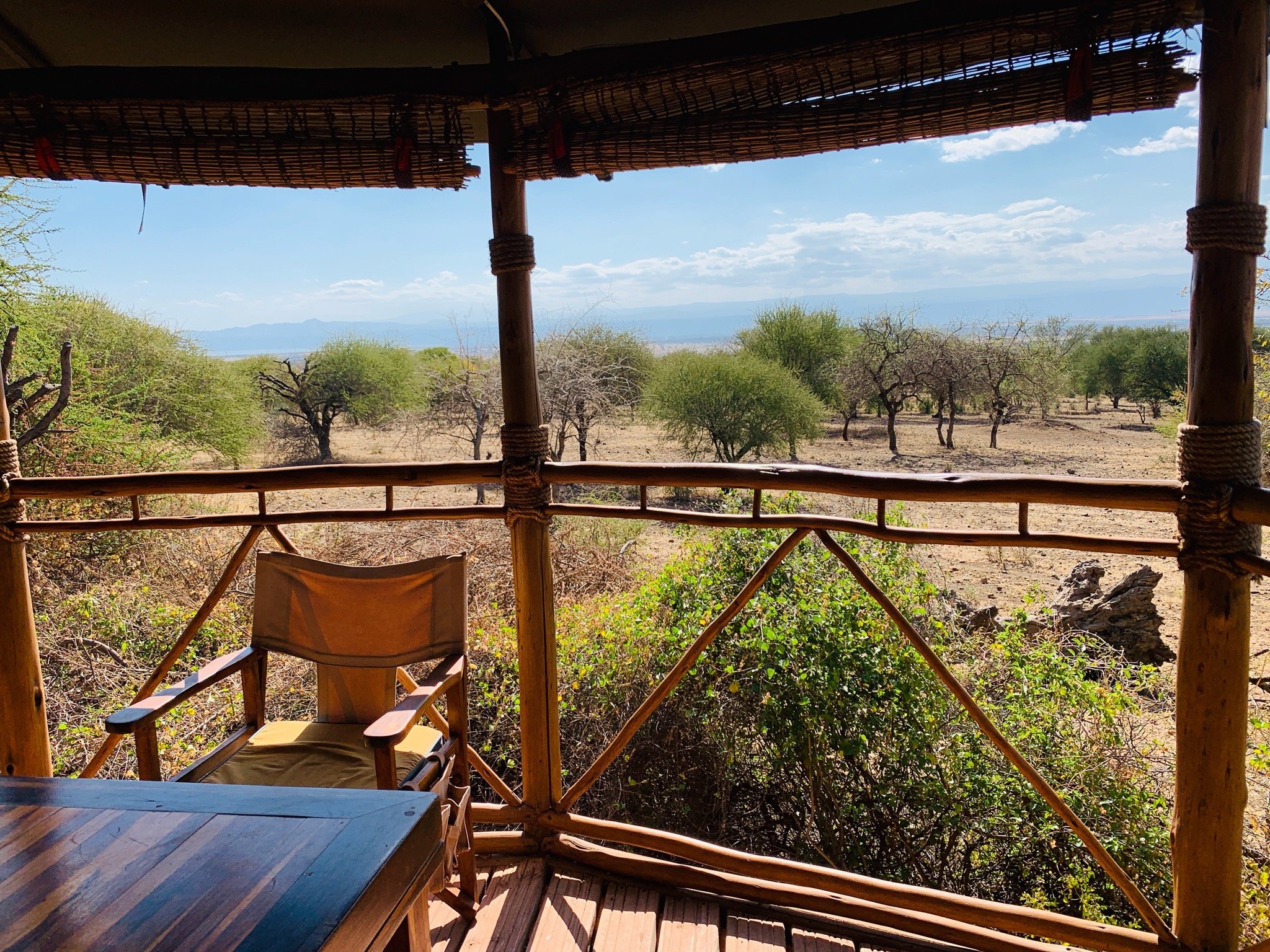
The camp stands at around 1,075 metres above sea level in rough savannah bush, backing onto the Losimingorti mountain range. That ridge behind the tents works as a natural wildlife corridor, linking the Ngorongoro highlands through the Manyara conservancy and on toward Tarangire National Park, so animals move across this ground rather than being fenced away from it. The view runs west across the Rift Valley floor to the pale line of Lake Manyara, and the light shifts through the day until the sun drops behind the water in the evening.
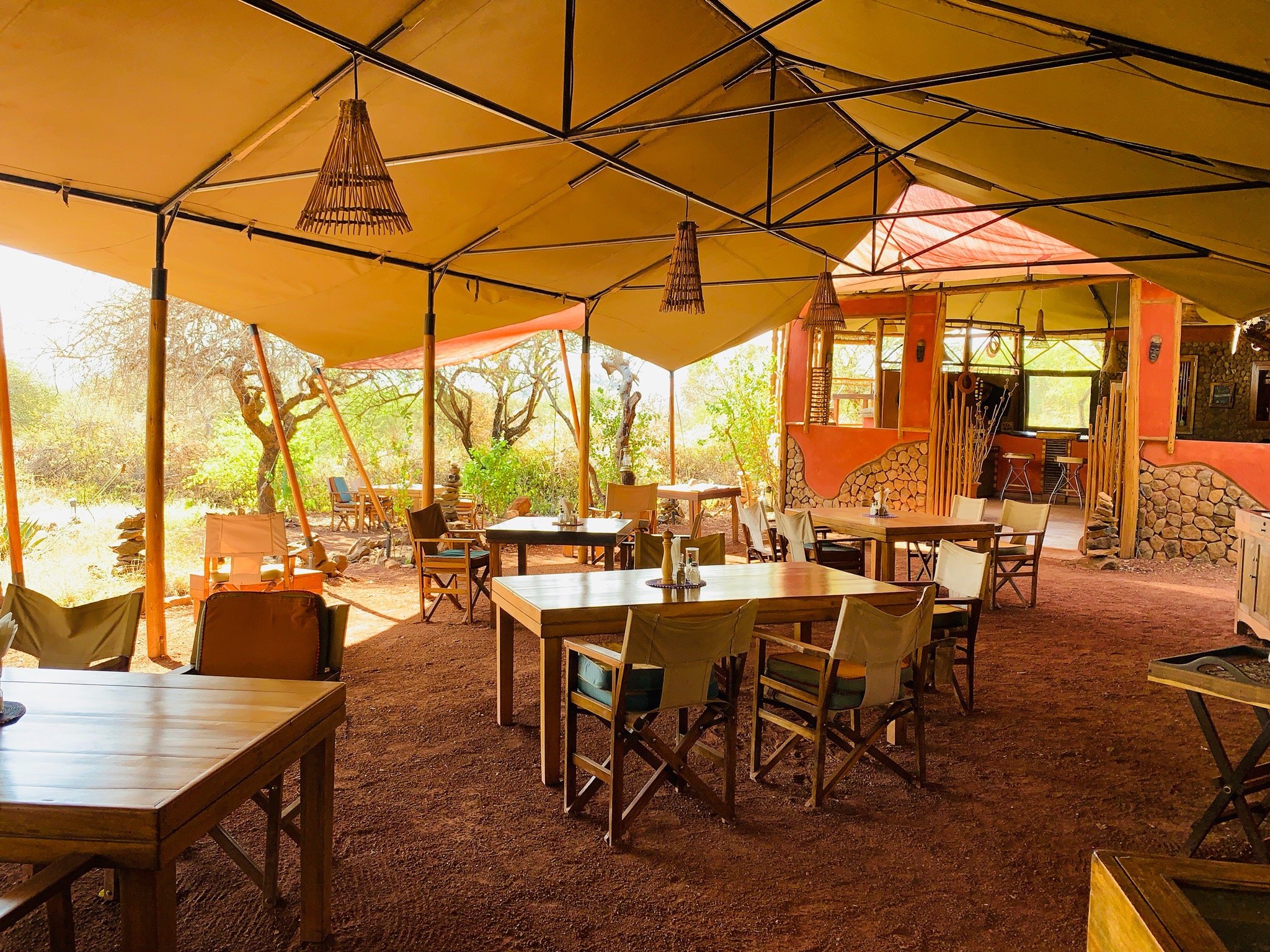
Isoitok is honest about what it is. The owners state plainly that they do not run a five star operation or a large swimming pool, and that suits the place. What they do offer is a grass roots look into Maasai life and a slow paced stay under canvas. The camp has grown up alongside its Maasai neighbours over many years, so the cultural side of a visit feels like time spent with people who live here rather than a staged show put on for guests. If you want polished resort service, this is not that. If you want to understand a little of how the Maasai use this land, it fits well.
Slow down, spend a couple of nights under canvas, and you leave Tanzania rested instead of needing another holiday to recover from the one you just took.
Tents and Setting at Isoitok Camp Manyara
Accommodation is a small collection of permanent tents spread across the bush so each one keeps a sense of privacy. Tents come in a rustic style and a slightly larger deluxe style, the deluxe versions built as timber floored hybrids with fitted doors, rock walled bathrooms and handmade furniture. Both types are en suite, and the camp keeps the mood simple and grounded rather than glossy.
Inside a tent you get a proper bed made up as a king, double, twin or triple depending on your group, along with a luggage rack, a safari wardrobe, a bedside cabinet and a full length mirror. There is a writing desk and chair for anyone who likes to note down the day, plus a relaxed reading chair for the quiet hours. The bathroom uses a traditional hang man shower with hot water brought on request, a flushing western style toilet and a basin with running water. Hand woven mkeka mats cover the floor, solar lamps light the tent after dark, and outside each tent sits a small set of safari chairs and a table where you can take in the bush at your own pace. Nights are quiet apart from the sounds of the surrounding land, which is the point.
Pack a warm layer even in the drier months. At this altitude the evenings and early mornings on the viewpoint walks turn cool once the sun is down, and hot shower water comes when you ask for it rather than around the clock, so plan your wash times a little.
Maasai Cultural Tour Experiences at Isoitok Camp
The cultural programme is the heart of a stay here, and it is built around the community that surrounds the camp. A visit to a traditional Maasai boma lets you step into the daily rhythm of a working homestead. You meet the elders, the women and the children, and your Maasai host explains the ranking and age brackets that shape family and tribal life. Because the camp has kept a steady relationship with these families for years, the boma visit reads as a genuine look behind the scenes rather than a performance.
Traditional song and dance sit alongside the boma visit, with the jumping dance and rhythmic singing that the Maasai are known for. For guests who want a deeper look at custom, the camp can arrange a traditional goat sacrifice held in a nearby korongo, or gully, where the Maasai staff show their butchery skills and explain why the practice matters and how it has passed down through generations. That is followed by a traditional goat barbecue served with a Swahili buffet, so the afternoon turns into a shared meal. None of this is dressed up. It is presented as the everyday practice of the people who work at and live around the camp.
Maasai boma visit: spend time inside a traditional homestead, meet the family and hear how age sets and rank order Maasai life.
Traditional song and dance: watch and join the jumping dance and call and response singing led by your Maasai hosts.
Goat sacrifice and bush feast: follow an old custom in the korongo, then share a goat barbecue with a Swahili buffet.
Guided Walks and Bush Safari Activities at Isoitok Camp
Because the camp sits on open Maasai land rather than inside a national park, walking is part of daily life here in a way it cannot be on a fenced concession. The Maasai medicine walk is usually run early in the morning along the gentle slopes behind the tents. A Maasai guide points out the roots and plant extracts still used across the community for everyday ailments, and the walk lasts anywhere from thirty minutes to about an hour and a half depending on how far you want to go and how fit you feel.
Later in the day a viewpoint walk takes you up to one of several high spots looking out over Lake Manyara and the Rift Valley. A Maasai scout leads the way, and at the top you settle in with sundowner snacks and a drink of your choice while the light fades over the water. The camp can also set up a bush lunch away from the tents and a sundowner walk timed for the end of the afternoon. These slow, on foot activities are what set Isoitok apart from a standard lodge, and they give you the quiet, close up feel of the bush that a vehicle cannot.
Using Isoitok Camp as a Lake Manyara Safari Base
The position of the camp is a real advantage for anyone touring the northern circuit. Three of the leading wildlife areas sit within reach for day trips, so you can stay put in one place and travel out each morning. Lake Manyara National Park is the closest at roughly 12 kilometres, known for its groundwater forest, flamingos on the lake in the right conditions, large elephant herds and the chance, never guaranteed, of tree climbing lions.
Tarangire National Park lies within day trip range too, famous for its baobab dotted country and big elephant populations, especially in the drier months when animals gather along the Tarangire River. The Ngorongoro Crater, one of the densest places for wildlife in Tanzania, is also reachable as a long full day outing. Coming back to the same tent each night saves the packing and unpacking that a moving safari involves, and the cultural walks fill the hours around your game drives so the days stay full without feeling rushed.
Lake Manyara National Park sits about 12 kilometres from camp, an easy day trip for forest, flamingos, elephants and the occasional tree climbing lion.
Tarangire National Park is a longer day drive south, best in the dry months for baobab country and large elephant herds along the river.
Ngorongoro Crater works as a full day outing for concentrated wildlife on the crater floor, returning to Isoitok in the evening.
Families and Slow Paced Safari Stays at Isoitok Camp
Isoitok works well for families and for travellers who want to travel gently. The camp acts as a settled, safe base from which children and parents can take short day trips into the parks and cultural visits to the nearby villages without long transfers between different lodges every night. Younger children in particular tend to do better with a fixed base, and the mix of walking, wildlife and village time gives them plenty to do that does not depend on hours in a vehicle.
The wider point of the camp is rest. Guests are urged to slow down, sit with the sounds of the bush and let a couple of nights under canvas do their work. Meals are relaxed, the pace is unhurried, and there is no pressure to fill every minute. For couples and small groups looking for a quiet counterpoint to busy game drive days, that steady rhythm is exactly the draw.
Community and Conservation Around Isoitok Camp Manyara
Isoitok is a community based camp, run in partnership with the Maasai families of Esilalei. That partnership runs through a linked body, the African Roots Foundation, which puts money and effort into small scale, workable projects aimed at improving daily life for the communities around the camp. Staying here feeds directly into that work, so the cultural side of your visit is tied to real local benefit rather than being a one way transaction.
Living alongside the Maasai for years has shaped how the camp presents its heritage. The aim is for guests to understand the age old culture by spending time with the people themselves, not by watching a set piece. The corridor of land behind the camp also carries conservation weight, keeping a path open for wildlife moving between the Ngorongoro highlands, Manyara and Tarangire, which matters for animals that need room to roam across the season.
Getting to Isoitok Camp Manyara
Most guests reach the camp by road from Arusha, the usual starting town for the northern safari circuit. The drive takes in the region of ninety minutes on the main route, and once you turn off the highway a short run of about fifteen minutes brings you to the camp gate. Because the camp lies close to Mto wa Mbu, it slots neatly into a route that also takes in Lake Manyara, Tarangire and the road up toward Ngorongoro.
For travellers who prefer to fly, the Lake Manyara airstrip is close by, reached in around fifty minutes by light aircraft from Arusha, followed by a short transfer to the camp. Most visitors arrive as part of an organised safari with a driver guide and vehicle, which is the simplest way to link the camp with day trips into the surrounding parks. If you are self driving, a high clearance vehicle is sensible for the final stretch off the tar. Confirm directions and transfer arrangements with the camp or your operator before you set out, since the last leg runs on rougher tracks.
Best Time for a Safari at Isoitok Camp Manyara
The camp is open across the year, and each season has its own character. The dry months, roughly June to October, are the classic choice for game viewing in the nearby parks. Vegetation thins out, animals gather around water, and roads stay firm, which makes day trips into Lake Manyara and Tarangire more predictable. This is also comfortable weather for the walks behind camp, with warm days and cool, clear evenings for the sundowner viewpoints.
The wetter months, from about November to May, bring green country, fuller waterfalls on the escarpment and strong birding, along with fewer visitors in the parks. Rain can make some tracks harder going and a few sightings less certain, but the scenery is at its greenest and the cultural activities carry on regardless of the weather. Wildlife sightings in any national park are never guaranteed in any season, so treat the parks as a bonus layered on top of the cultural stay rather than the only reason to come.
14-Day Ultimate Tanzania Safari, North to West
11-Day Northern Circuit & Nyerere Selous Safari
4-Day Tarangire, Lake Manyara & Ngorongoro Safari
Dry season, around June to October: firmer roads, thinner bush and animals near water make this the easier stretch for day trips and walks.
Wet season, around November to May: green country, active waterfalls and strong birding, with quieter parks and some softer, wetter tracks.
Frequently Asked Questions About Isoitok Camp Manyara
Where exactly is Isoitok Camp Manyara located?
The camp is in Esilalei village near Mto wa Mbu, on rising ground above the Rift Valley floor at around 1,075 metres. It looks out over Lake Manyara and sits about 12 kilometres from Lake Manyara National Park, backing onto the Losimingorti range.
How much does a stay at Isoitok Camp Manyara cost?
Rates vary with tent type, season and whether cultural activities and park day trips are bundled in, so nightly figures cover a broad range from mid tier tented camp levels upward. As a community based camp it usually lands below the top luxury lodges in the area. Ask the camp or your operator for a current quote based on your dates and group size.
What activities can I do at the camp itself?
On foot activities run straight from camp, including the Maasai medicine walk, a boma visit, traditional song and dance, an optional goat sacrifice with a bush feast, viewpoint walks with sundowner refreshments, bush lunches and short sundowner walks led by Maasai guides and scouts.
Is Isoitok Camp Manyara suitable for families with children?
Yes. The camp is set up as a safe, fixed base, which suits families with younger children. Day trips into the parks and cultural village visits work well from one place, and the mix of walking, wildlife and Maasai life keeps children occupied without long daily transfers.
Do I need my own vehicle to visit the parks from camp?
Most guests arrive on an organised safari with a driver guide and vehicle, which is the easiest way to run day trips to Lake Manyara, Tarangire and Ngorongoro. Self drivers should use a high clearance vehicle for the final tracks and confirm arrangements in advance.
Can I combine Isoitok with other northern circuit parks?
Yes. Its position near Mto wa Mbu makes it a natural base for Lake Manyara, Tarangire and the Ngorongoro Crater, and it fits neatly into a wider northern circuit route that many operators build around Arusha.


