
Oremiti Tented Lodge is a small, privately owned tented camp set just outside Lake Manyara National Park in northern Tanzania, roughly 15 minutes from the park gate. Guests reach it after about a two hour drive from Arusha, and it works as a booked base for Lake Manyara game drives and wider northern circuit touring. The lodge runs entirely on solar power and sits next to Maasai grazing land, which quietly shapes the whole feel of a stay.
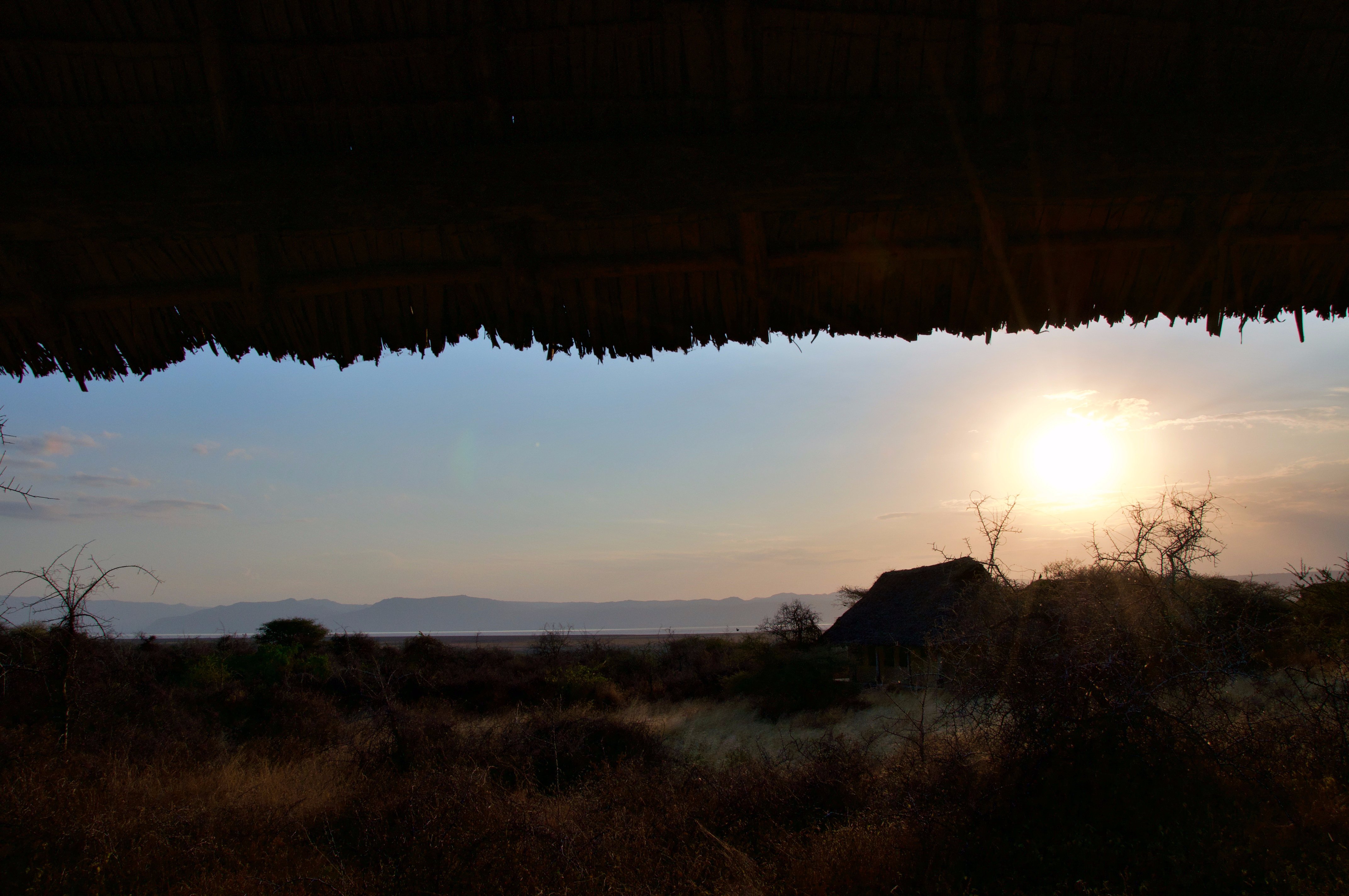
What makes Oremiti worth knowing is its position and its size. It is close enough to the park entrance that a morning drive starts without a long transfer, yet far enough into the bush that the evenings feel private and unhurried. The camp is deliberately modest in scale, so a stay here reads more like a friend’s place in the wild than a large hotel operation. Below is a practical look at the tents, the activities on the doorstep, and how the lodge fits into a longer Tanzania safari.
Your Bush Base for a Lake Manyara Safari at Oremiti Tented Lodge
The lodge takes its name from oremiti, a shrub that grows thickly across this stretch of country. Local Maasai use twigs from it to clean their teeth, and their bright smiles are part of why the plant is so well regarded. The camp grew up among these bushes, which is why the name stuck. It is a small detail, but it tells you something about the place: this is a lodge tied to its immediate surroundings rather than dropped in from somewhere else.
Because Oremiti sits on the outer edge of Lake Manyara National Park rather than deep inside it, you get an easy relationship with the park without paying park fees simply to sleep. You drive in for game viewing, then come back out to a quiet camp on Maasai land. That arrangement suits travellers who want the wildlife of the northern circuit but also value a calm base with room to breathe. Families, couples, and small private groups all tend to settle in here comfortably.
Solar Powered Tents and Bungalows at Oremiti Tented Lodge
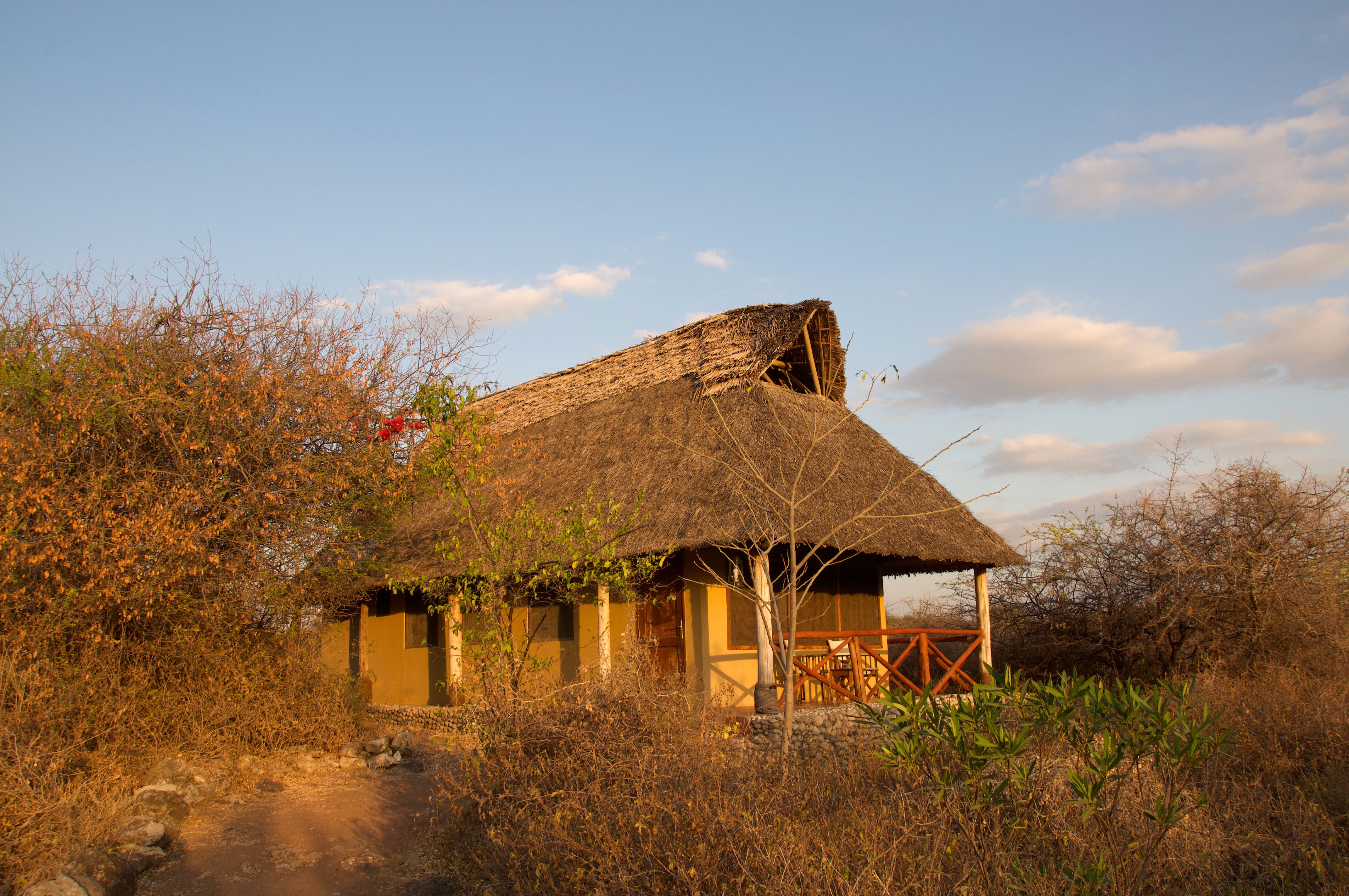
Accommodation at Oremiti is spread across spacious bungalow style tents. Reports from the lodge and safari agents describe a total of around 15 units divided into a few categories, typically standard, family, and suite, though the exact split can shift, so confirm what suits your group at the time of booking. Each tent is roomy rather than cramped, and the layout leans practical and comfortable instead of fussy.
Inside, you find a large solid wooden bed, bedside tables and lamps, a wardrobe for your clothes, and a set for making a hot drink. Mosquito nets cover the beds, and each tent opens onto a private deck with its own furniture, which is where a lot of quiet afternoon time tends to be spent. Hot water for bathing is available, heated using the camp’s solar system, so a warm shower after a dusty drive is part of the deal.
The whole camp runs on solar power, used for lighting and daily services. That choice keeps the environmental footprint low and the atmosphere quiet, since there is none of the generator hum you find at some bush camps. It does not cut into comfort either. The kitchen still turns out proper hot meals, and the water still runs warm.
Each tent has its own furnished deck facing the bush, ideal for a slow coffee, an afternoon book, or simply watching the light change over the plains.
Lighting, hot water, and services all run on solar, so the camp stays quiet and clean while keeping warm showers and cooked meals fully working.
The bungalow tents are on the large side, with real beds, storage, and a tea and coffee set, which suits families and travellers who want space.
Walking Safari and Bush Exploration Around Oremiti Tented Lodge
One of the real draws of Oremiti is that you can explore the surrounding country on foot. Guests are welcome to head out walking and by vehicle, and the area has routes already mapped for different fitness and energy levels. A gentle amble is possible for those who want an easy stretch of the legs, while longer routes reward anyone with more in the tank.
These walks go out in the company of a safari guide and a Maasai tracker, a pairing that adds a lot. The guide reads the bush and manages safety, while the tracker brings a lifetime of local knowledge of the animals, the plants, and the ground itself. Walking changes the pace of a safari completely. You notice tracks, dung, birdsong, and small living things that a moving vehicle glides straight past. Wildlife on foot is never guaranteed, and the point is as much the detail and the quiet as any big sighting.
Game Drive Adventures in Lake Manyara National Park
The main event for most guests is the game drive into Lake Manyara National Park, a short hop from the tents. The park is compact but varied, with groundwater forest near the entrance giving way to open grassland, and the shallow soda lake spread out along one side. That mix of habitats packs a lot of different wildlife into a small area, which is part of what makes Manyara such a rewarding half day or full day of driving.
Lake Manyara is well known for its tree climbing lions, often seen draped along shady branches to escape the heat that rises off the ground and the soda lake nearby. Sightings are never a certainty, since these are wild animals and the behaviour comes and goes, but the park is one of the better places to hope for it. Elephants move through the forest, buffalo and giraffe cross the grassland, and troops of baboons are a common sight along the road. The dry season generally concentrates animals near water, which can lift your odds, though nothing in the bush is promised.
Drives here can be paced to suit you. A short morning outing pairs well with an afternoon back at camp, while a full day lets you push further and take a picnic. Because the park gate is so close, you lose very little of the day to transfers, and that is one of Oremiti’s quiet advantages.
Bird Watching Along the Lake Manyara Shore
Birdlife is a headline attraction at Lake Manyara, and it is a strong reason to build in time beyond the big mammals. More than 380 species have been recorded across the park in recent years, including a range of migrants that pass through seasonally. Even casual visitors tend to leave surprised by how much is on the wing.
The soda lake itself draws large numbers of greater and lesser flamingos, which gather along the water and can gild the shore pink when conditions suit them. Along the same shoreline you might pick out hadada ibis, black headed and grey herons, several kinds of duck, cattle egrets, plovers, spur winged geese, and storks working the shallows. A guide with a good eye and a spare pair of binoculars turns this into one of the most relaxed and rewarding parts of a Manyara safari.
Maasai Cultural Experience Near Oremiti Tented Lodge
Oremiti sits right beside Maasai bomas, the family homesteads of the herding communities who live on this land. During a stay you are likely to see Maasai moving their cattle across the country around the camp, part of an everyday rhythm that has shaped this area for generations. It is one of the things that makes the setting feel genuinely lived in rather than staged.
With a little arranging through the lodge, you can meet local Maasai and learn about their way of life, from cattle keeping to the plants they use day to day, including that oremiti shrub. Approached respectfully, a visit like this adds a human layer to a wildlife trip and tends to stay with people long after the drives blur together. Ask the camp to set it up rather than wandering off on your own, so the exchange is welcomed on both sides.
Dining and Downtime at Oremiti Tented Lodge
Food at Oremiti comes out of a bush kitchen run by an experienced chef, and the meals are cooked fresh and served hot despite the off grid setting. The camp keeps a well stocked bar with beers, wines, and spirits, so a cold drink at the end of a drive is easy to come by. There are several mess tents rather than one big dining room, which lets groups eat with a degree of privacy and keeps the atmosphere calm.
Between drives the pace slows right down. A swimming pool gives you somewhere to cool off in the heat of the day, and the private decks invite an afternoon of doing very little. This is not a place built around a packed schedule. It is set up so you can drive hard in the good light, then genuinely rest in the middle of the day, which is exactly how a Lake Manyara safari is best enjoyed.
An experienced chef prepares hot, freshly cooked meals, proof that an off grid solar camp need not mean roughing it at the table.
Beers, wines, and spirits are on hand for a relaxed sundowner after a long day of driving and walking.
A swimming pool and private decks make the midday heat something to enjoy rather than endure between game drives.
Northern Circuit Safari Connections from Oremiti Tented Lodge
Oremiti’s location makes it a natural link in a longer northern circuit trip. Lake Manyara is one of the classic gateway parks of the region, and from this corner of Tanzania the other great names are within reach by road. Tarangire National Park, famous for its elephants and baobabs, lies within a comfortable drive, and many itineraries pair it with Manyara over consecutive days.
Push on and the road climbs to the Ngorongoro Crater, then out across the plains to the Serengeti. Because Oremiti sits along the main route travellers take between Arusha and these headline parks, a night or two here fits neatly into a bigger loop without any awkward backtracking. Used this way, the lodge becomes a restful first or last stop that eases you into, or out of, the busier days ahead.
On the doorstep, roughly 15 minutes from camp. Tree climbing lions, forest elephants, and a soda lake alive with flamingos and other water birds.
Within a comfortable drive. Large elephant herds and stands of ancient baobab trees, often paired with Manyara over back to back days.
Further along the same route toward the crater and the plains, so Oremiti works as a natural first or last stop on a longer circuit.
Getting to Oremiti Tented Lodge
Most trips to Oremiti begin in Arusha, the main hub for northern Tanzania safaris. From town it is roughly a two hour drive to the camp, usually as part of a guided safari with your own vehicle and driver guide. The route runs toward the Lake Manyara area and the small town of Mto wa Mbu, then out to the camp on Maasai land near the park gate.
International visitors generally fly into Kilimanjaro International Airport, which serves the whole northern circuit, and transfer on to Arusha from there. Some travellers connect by light aircraft to airstrips in the Manyara area and finish the last stretch by road. Whichever way you arrive, a good operator will line up the airport pickup and the drive so the transfer is one less thing to think about. The short final leg from the park gate to the tents means you are not spending your first evening rattling down a long track.
Best Time to Visit Lake Manyara for a Safari
Lake Manyara is a year round destination, but the experience shifts with the seasons, and it helps to match your trip to what you want most. The long dry months from roughly June to October are the classic game viewing window, when vegetation thins out and animals gather near water, making them easier to find. Skies are mostly clear and the roads are at their most reliable.
The greener months bring their own appeal. Rain freshens the country, the bush turns thick and full, and migrant birds swell the already rich birdlife around the lake. Flamingo numbers depend heavily on water levels and can be strong after good rains. Wildlife spreads out more when water is everywhere, so big mammal sightings can take a little more patience, but the scenery and the birding are at their best.
Prime game viewing. Thinner bush and animals drawn to water make big mammals easier to spot, with clear skies and dependable roads.
Fresh, full country and excellent birding, with migrants present and flamingo numbers often strong after rain. Mammals range more widely.
Frequently Asked Questions About Oremiti Tented Lodge
Where exactly is Oremiti Tented Lodge?
It sits just outside Lake Manyara National Park in northern Tanzania, about 15 minutes from the park gate and roughly a two hour drive from Arusha. The camp is on Maasai land near the Mto wa Mbu area, on the main route toward the northern circuit parks.
What kind of accommodation does the lodge offer?
Guests stay in spacious bungalow style tents, reportedly around 15 in total across a few categories such as standard, family, and suite. Each has a large wooden bed, bedside tables and lamps, a wardrobe, tea and coffee facilities, mosquito nets, and a private furnished deck. The whole camp runs on solar power, with hot water for bathing.
What activities are available at Oremiti Tented Lodge?
The main activity is game driving in Lake Manyara National Park, a short distance away. Guests can also explore on foot with a safari guide and a Maasai tracker along routes suited to different fitness levels, watch the rich birdlife along the lake shore, and arrange to meet the neighbouring Maasai community.
How much does it cost to stay at Oremiti Tented Lodge?
As a comfortable mid range tented camp, nightly rates currently tend to sit in a moderate band rather than at the top luxury end, and they vary by season, room category, and what is included, such as meals and activities. Most guests book Oremiti as part of a wider guided safari, so the room rate is folded into a full trip price. For an exact figure, ask your operator for a quote based on your dates and group.
Is Oremiti Tented Lodge good for families?
Yes. The tents are roomy, family units are among the categories offered, and the relaxed off park setting with a swimming pool suits travellers who want space and a calm base. The option to walk near camp with a guide adds variety for children who tire of long vehicle days, though walks should always be arranged through the lodge.
Can you see tree climbing lions from the lodge?
Not from the lodge itself, but Lake Manyara National Park nearby is well known for its tree climbing lions, often resting in shady branches during the heat of the day. Sightings are never guaranteed with wild animals, though a game drive with a good guide gives you a fair chance, especially in the dry season.


