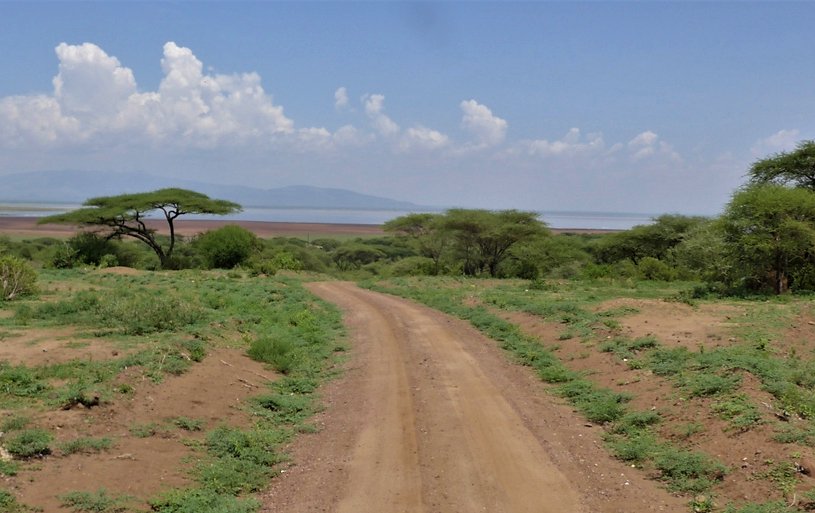
Serengeti travel centres on wide open plains and the great wildebeest migration, seen on game drives, guided safaris and hot-air balloon flights over northern Tanzania. Visitors plan around the migration month and the park sector they want, from the southern calving plains to the northern river crossings. The Serengeti is the marquee stop on any northern Tanzania safari, taking its name from the Maasai word for endless plains.
Covering roughly 14,750 square kilometres, the park sits in the north of the country and flows across the border into Kenya, where the same ecosystem is called the Maasai Mara. Inside its boundaries live some of the highest predator densities in Africa alongside the largest overland movement of grazing animals on the planet. This guide walks through the Great Migration month by month, the main regions, how to reach the park, when to travel, and how the Serengeti fits together with its famous neighbours.
Why the Serengeti Anchors a Tanzania Safari
Most first time visitors build a trip around two things: big cats and the migration. The Serengeti delivers both at a scale that is hard to match elsewhere. The plains hold healthy populations of zebra, gazelle, topi, eland and buffalo, and where the prey goes the predators follow. Lion prides here can number twenty or more. Leopards drape over sausage trees along the rivers. Cheetahs use the open ground to run down gazelle in short bursts.
The other draw is space. Because the park is so large, you can go for long stretches without seeing another vehicle, especially away from the central hub. That sense of having the plains to yourself is a big part of why a Serengeti safari stays with people. It is also why timing and region choice matter so much. Pick the wrong month for the wrong corner of the park and you may miss the herds entirely, even though they are somewhere inside the same ecosystem.
The Great Migration Month by Month
The Great Migration is not an event with a start date. It is a slow, year round loop of about two million wildebeest, several hundred thousand zebra, and large numbers of gazelle chasing rain and fresh grass around the greater Serengeti ecosystem. The animals never really stop moving. What changes is where the density sits and what drama is on offer, whether that is calving on open grass or a river crossing.
Here is the broad rhythm, keeping in mind that the herds follow rain and rain follows its own logic, so exact timing shifts from one year to the next.
December to March, the southern plains. The herds gather on the short grass plains around Ndutu and the southern Serengeti, spilling into the northern edge of the Ngorongoro Conservation Area. The grass here is mineral rich, which matters for the next stage.
February, calving season. Roughly half a million calves drop in a tight two to three week window. This is one of the most active predator periods of the year, with lions, cheetahs and hyena working the edges of the nursery herds. For many travellers this southern calving spectacle beats the river crossings.
April to May, moving north. As the plains dry, long columns form and push northwest through the Moru Kopjes area and west of Seronera. May often sees mating along the way, and the sound of hundreds of thousands of animals on the move carries a long distance.
June to July, the Western Corridor. The main body reaches the Grumeti River. The Grumeti crossings are smaller and less predictable than the later Mara crossings, but the crocodiles here are enormous and patient.
July to October, the northern Serengeti and Mara River. The herds spread across the far north near Kogatende. The Mara River is the great obstacle, and the crossings, chaotic, dangerous and impossible to schedule, happen on and off through these months. Animals may cross, hesitate, or turn back several times in a day.
November, heading south again. When the short rains arrive in late October or November, the herds sense the change and begin drifting back toward the southern plains to start the loop over.
Where the Herds Are: Reading the Migration Calendar
The single most useful planning habit is to match your month to a region rather than to the park as a whole. If you visit in February and camp near Seronera, you will be too far north for the calving action on the southern plains. If you fly to the far north in March hoping for a river crossing, the Mara River will be quiet because the herds are hundreds of kilometres away.
Plan the region, not just the park. For calving drama, base yourself in the south around Ndutu from roughly late December through March. For river crossings, aim for the northern Serengeti near the Mara River between July and October. For year round big cat action regardless of the migration, the central Seronera area is the safe choice.
Good operators build itineraries around this logic and will move you toward wherever the herds are likely to be. Working with dedicated Serengeti safari specialists who track the movement week to week is the difference between guessing and arriving in the right place. Even then, honesty matters: no guide can promise a crossing on a set day, and any who does is overselling.
The Main Regions of a Serengeti Safari
The park breaks down into a handful of distinct zones, each with its own character and its own best season.
Central Serengeti, the Seronera Valley. This is the heart of the park and where most safaris spend at least a night or two. A mix of open savannah, riverine woodland and rocky outcrops called kopjes supports resident wildlife all year, which makes it the most reliable area for game viewing when the migration is elsewhere. The Seronera airstrip is centrally placed and well connected.
Western Corridor. A finger of land following the Grumeti River toward Lake Victoria. It is quieter, greener in patches, and comes alive as the herds pass through from around May to July. Resident wildlife and big crocodiles make it worthwhile even outside the migration window.
Northern Serengeti. Remote, rolling and lightly visited outside the crossing season, the north borders Kenya’s Maasai Mara. Kogatende is the main airstrip. From July to October this is the stage for the Mara River crossings, and camps here fill up fast for those months.
Southern plains and Ndutu. Short grass country that turns green and busy during the calving season. Technically part of the Ndutu area straddles the Ngorongoro Conservation Area, which allows off road driving that the national park proper does not, a real advantage for photography.
Big Cat Density and Everyday Game Drives
Even without the migration, the Serengeti is one of the best places on Earth to see predators. The central Seronera region is often called the big cat capital of Africa, and on a good day travellers spot lion, leopard and cheetah inside a single morning drive. The wider ecosystem supports huge prides of lion, an estimated thousand leopards, several hundred cheetahs and around 7,500 hyena, all sustained by the sheer volume of prey.
A typical game drive runs at first light and again in the late afternoon, when the cats are most active and the light is kindest. Guides read fresh tracks, alarm calls and the body language of grazers to find predators. Leopards are the hardest of the three to see, often resting high in a tree during the heat, so patience pays. Full day drives with a packed lunch let you reach farther corners and stay out through the middle of the day when a kill can happen at any hour.
On the Seronera plains it is genuinely possible to see all three big cats, lion, leopard and cheetah, between sunrise and lunch.
Balloon Safaris Over the Endless Plains
For a different angle on the park, a hot air balloon safari lifts off at dawn and drifts low over the grass for about an hour. You watch the sun come up, float above grazing herds, and often see predators moving before the heat sets in. Flights run daily at first light from launch sites that shift with the season: one near Seronera all year, one in the Ndutu area during the southern season, one in the Western Corridor through the middle of the year, and one in the north during the crossing months. Most flights finish with a bush breakfast on the plains.
It is a splurge rather than a core part of the safari, and the flight itself is calm rather than thrilling, but the perspective of the endless plains from the air is something a ground vehicle cannot give you. Book it early, since balloon capacity each morning is limited.
How to Get There: Fly In or Drive the Northern Circuit
Almost every Serengeti trip begins in Arusha, the safari capital of northern Tanzania. Most international visitors land at Kilimanjaro International Airport, about 50 kilometres from Arusha town. From there you have two ways into the park.
Fly in. Light aircraft run daily from Arusha to the park’s airstrips, including Seronera, Kogatende, Kirawira and Grumeti. A flight saves the long overland haul, puts you into camp within a couple of hours, and hands you over to guides who work that patch of the park every day and know its animals intimately. This is the faster, more comfortable option and it lets you target the exact region where the herds are.
Drive the northern circuit. The road route from Arusha covers roughly 325 kilometres and takes around eight hours, much of it on rough track. It is a bumpy day, but it is scenic, it usually folds in Tarangire, Lake Manyara and the Ngorongoro Crater along the way, and for a group of three to six travellers it often works out cheaper than flying. A popular compromise is to drive in one direction, stopping at the crater, and fly the other, saving a full day of driving on the return.
A practical mix. Many well planned trips drive up through Tarangire, Manyara and the crater, then fly out of the Serengeti at the end. You get the ground level parks on the way in and skip the long dusty return drive.
Best Time for a Serengeti Safari Tour
The Serengeti is a year round destination, so the best time depends on what you want to see. The long dry season from June to October brings comfortable weather, thinner vegetation that makes animals easier to spot, and the northern river crossings. The short dry spell in January and February lines up with calving on the southern plains and generally good big cat viewing.
The wetter months of March through May see fewer visitors, greener country and lower prices, though some tracks turn muddy and a few camps close. Photographers often like the shoulder weeks, when the light is dramatic and the crowds are light. Whatever month you choose, remember that the central Seronera area holds wildlife all year, so a Serengeti safari tour is never a wasted trip even between the migration’s headline moments.
Pairing the Serengeti with Ngorongoro and Lake Manyara
Few people visit the Serengeti alone. It sits at the far end of Tanzania’s northern circuit, and the drive in passes two of the country’s best parks, so most itineraries string them together over five to seven days.
6-Day Lake Manyara, Tarangire, Serengeti & Ngorongoro Safari
14-Day Ultimate Tanzania Safari, North to West
7-Day Arusha to Serengeti Northern Circuit Safari
The Ngorongoro Crater is the natural partner. A collapsed volcanic caldera with walls rising some 600 metres, its floor holds a dense, resident population of wildlife including black rhino, which are hard to find in the Serengeti itself. Two nights on the crater rim with a full day descending onto the floor complements the open plains perfectly, and it fills the one gap in a Serengeti trip, the rhino.
Closer to Arusha, Lake Manyara on the northern circuit makes an easy first stop. Its groundwater forest, tree climbing lions and flocks of flamingo along the soda lake give a gentler introduction before the scale of the Serengeti. Add Tarangire, famous for elephants and baobabs, and you have the classic northern loop that most operators sell. Concentrating your days where they count, two on the crater and two following the migration, gives a balanced trip that shows the full range of northern Tanzania without rushing.
Serengeti Travel FAQ
How many days do you need in the Serengeti?
Three nights inside the park is a sensible minimum, giving you two or three full days of game drives and the flexibility to reach whichever region holds the herds. As part of a wider northern circuit that includes the crater and Lake Manyara, plan on a total of five to seven days.
How much does a Serengeti safari cost?
A mid range lodge safari across the northern circuit typically runs from about 350 to 600 US dollars per person per day, covering park fees, a guide and vehicle, accommodation and meals. Budget camping trips can dip below that, while luxury fly in camps run well above 1,000 dollars per day. A one way light aircraft flight from Arusha to a park airstrip costs around 350 dollars per person.
How much is a balloon safari over the Serengeti?
A hot air balloon flight costs in the region of 550 to 600 US dollars per person for roughly an hour aloft, usually including a bush breakfast on landing. Capacity each morning is limited, so it is worth booking as soon as your dates are fixed.
When can you see the Mara River crossings?
The northern Serengeti crossings generally happen between July and October, with peak activity often in August and September. Crossings cannot be scheduled, animals may cross, hesitate or turn back within the same day, so base yourself in the north for several nights to improve your odds rather than banking on a single visit.
Is it better to fly in or drive to the Serengeti?
Flying saves the eight hour road trip from Arusha, is more comfortable, and drops you straight into the right region with resident guides. Driving is cheaper for small groups and lets you take in Tarangire, Lake Manyara and the crater along the way. Many travellers drive in and fly out to get the best of both.
What is the best time to visit for the calving season?
Calving centres on February on the southern plains around Ndutu, with the herds gathered there from roughly late December through March. This period offers heavy predator action and, in the Ndutu area, the ability to drive off road for closer photography.